Tteokbokki — Korean spicy rice cakes cooked in a gochujang-based sauce — is one of the most beloved street foods in Korea, sold at pojangmacha stalls and bunsikjeom restaurants across the country. This tteokbokki recipe breaks the process into five steps: making the anchovy broth base, building the sauce, cooking the rice cakes to the right texture, adding the standard toppings, and finishing with the garnishes that complete the dish. A well-made tteokbokki recipe produces rice cakes that are tender inside with a firm chew, coated in a thick, glossy, spicy-sweet sauce that clings to every surface.
The key variables are the sauce ratio and cooking time — get those right and the result rivals any Korean street food stall.
What You’ll Find in This Tteokbokki Recipe
- What Makes Tteokbokki Different
- Ingredients You’ll Need
- How to Make the Broth
- How to Build the Sauce
- How to Cook the Rice Cakes
- Tteokbokki Variations
- Frequently Asked Questions
What Makes Tteokbokki Different
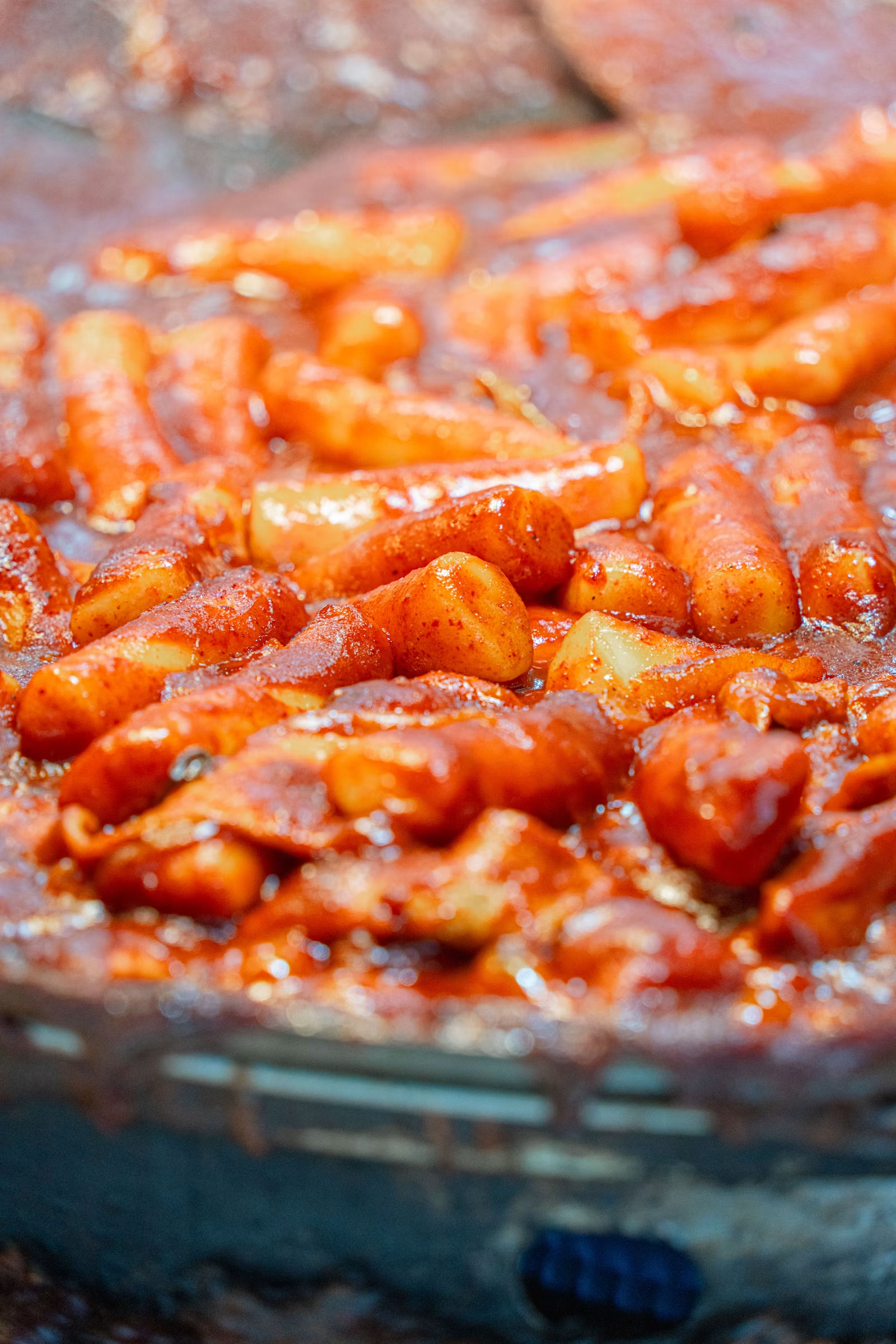
The defining feature of a well-executed tteokbokki recipe is the texture of the garaetteok (cylindrical rice cakes) after cooking in the sauce. When done correctly, the exterior becomes glazed with the thick red sauce while the interior stays tender and elastic — a chew that comes entirely from the rice flour composition of the tteok. Undercooking produces a stiff, dense bite; overcooking makes them mushy and soft. The window for perfect texture is narrow, and the timing in this tteokbokki recipe is calibrated to land exactly in it.
The sauce itself — built from gochujang (fermented chili paste), gochugaru (chili flakes), soy sauce, and sugar — is simultaneously spicy, savory, and sweet, with the anchovy broth underneath providing depth that plain water cannot replicate.
Ingredients You’ll Need
For the anchovy broth (serves 2):
- 5 to 6 large dried anchovies (myeolchi), heads and guts removed
- 1 piece dried kelp (dashima), about 5cm square
- 2.5 cups water
For the sauce:
- 2.5 tablespoons gochujang
- 1 tablespoon gochugaru
- 1 tablespoon soy sauce
- 1 tablespoon sugar or honey
- 1 teaspoon minced garlic
For the tteokbokki:
- 300g cylindrical rice cakes (garaetteok), fresh or soaked from dried
- 150g fish cakes (eomuk), cut into bite-sized strips
- 2 green onions, cut into 5cm lengths
- 1 hard-boiled egg (optional, standard topping)
- 1 tablespoon toasted sesame seeds
- A drizzle of sesame oil to finish
How to Make the Broth
Add the anchovies, dried kelp, and water to a small pot and bring to a boil. Remove the kelp after 2 minutes, then let the anchovies simmer for an additional 7 to 8 minutes. Strain and discard the solids — the result is a light, savory liquid that forms the base of this tteokbokki recipe. Plain water is a common shortcut, but the anchovy broth adds a layer of umami that makes the finished sauce noticeably more complex.
If using dried or refrigerated rice cakes that have hardened, soak them in cold water for 20 to 30 minutes before cooking. Fresh rice cakes can go directly into the pan.
How to Build the Sauce
Combine the gochujang, gochugaru, soy sauce, sugar, and garlic in a bowl and mix until smooth. The mixture should have a deep brick-red color and a thick paste consistency that will loosen as it incorporates into the broth during cooking. Taste before adding to the pan — a good tteokbokki recipe targets a sauce where spice and sweetness are equally prominent, so adjust the sugar up if the gochujang is particularly sharp, or add more gochugaru if you want more heat.
Sugar is not optional here: it balances the fermented bite of the gochujang and produces the glossy finish that coats the rice cakes through the entire cook.
How to Cook the Rice Cakes
Pour 1.5 cups of the anchovy broth into a wide pan or skillet and bring to a boil over medium-high heat. Add the sauce mixture and stir until fully dissolved. Add the rice cakes in a single layer and the fish cake strips on top, then stir to coat everything evenly.
Cook this tteokbokki recipe over medium heat, stirring regularly, for 8 to 10 minutes. The liquid will reduce and the sauce will thicken progressively — this reduction is what creates the glossy, clingy coating that defines good tteokbokki. Add the green onions in the final 2 minutes. The dish is ready when the sauce has thickened to a consistency that clings to the rice cakes and the tteok are fully tender when pressed. Finish with sesame seeds and a drizzle of sesame oil before serving.
Tteokbokki Variations
The base tteokbokki recipe above is the classic street-food version, but several widely eaten variations exist. Rabokki combines the dish with instant ramen noodles added in the final 3 minutes — the noodles absorb the sauce and make the portion significantly more filling. Cream tteokbokki substitutes some of the gochujang with heavy cream or cream cheese for a mild, rich sauce that has become popular in recent years. Gungjung tteokbokki is the royal court version — made without any chili and seasoned with soy sauce, sesame oil, and thinly sliced beef — which produces a savory but non-spicy result.
Each variation uses the same rice cake preparation method; only the sauce composition changes.
Frequently Asked Questions
Where can I find garaetteok outside Korea? Fresh, vacuum-packed, or frozen rice cakes are available at Korean grocery stores and many Asian supermarkets. Frozen ones work equally well in this tteokbokki recipe — thaw completely and soak in cold water for 20 minutes before cooking to ensure even texture throughout.
Can I make tteokbokki less spicy? Yes. Reduce the gochujang to 1.5 tablespoons and omit the gochugaru entirely. The sauce will still be savory and sweet without significant heat. Stirring in a spoonful of cream cheese at the end adds a mild, rich quality that balances any remaining spice.
Why did my sauce get too thick before the rice cakes finished cooking? The sauce reduces faster in some pan sizes. If it becomes too dense before the tteok are fully tender, add 2 to 3 tablespoons of the reserved anchovy broth and continue cooking. A small addition goes a long way at that stage.
Final Thoughts
This tteokbokki recipe is one of the fastest and most satisfying dishes in Korean home cooking — the sauce comes together in minutes, and the entire dish is on the table in under 25 minutes from a cold start.
Make the anchovy broth the night before and the weeknight version takes under 15 minutes to finish.