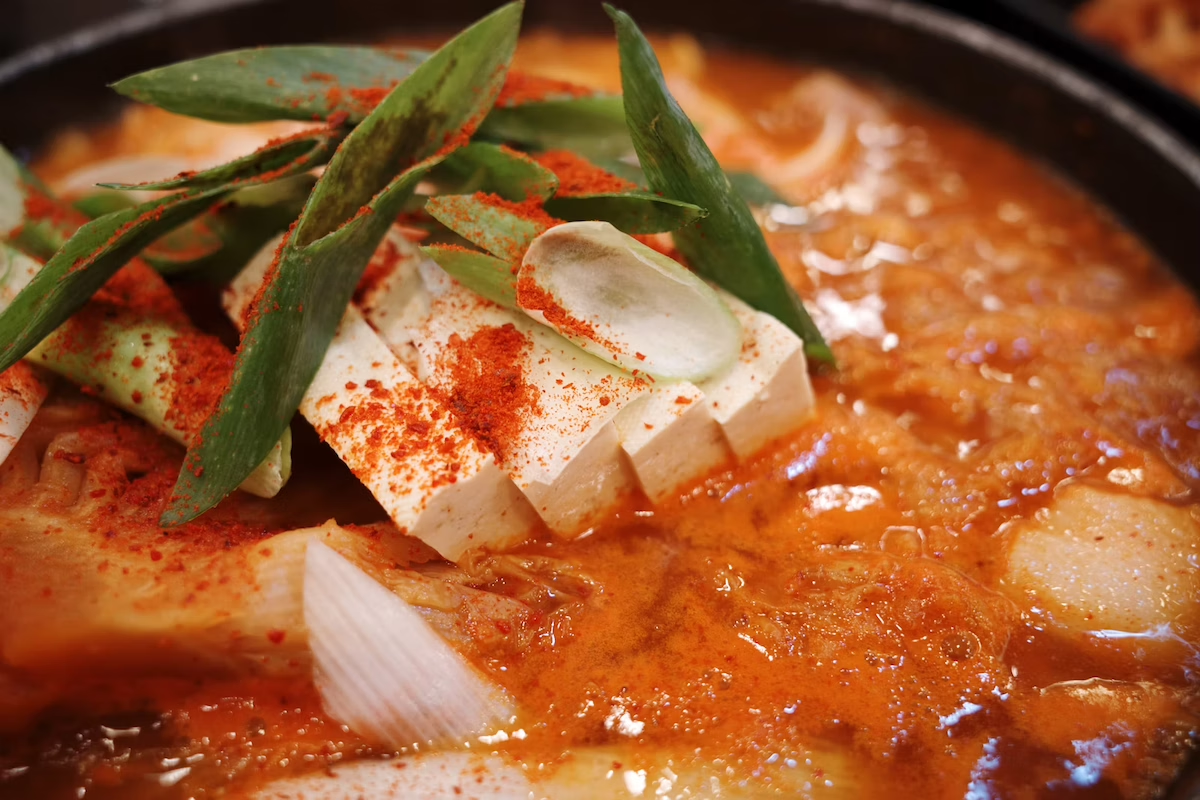
I remember the first time I ordered sundubu jjigae at a pojangmacha in Itaewon — the clay pot arrived still bubbling so furiously I had to wait a full two minutes before I could safely get near it. That bright red broth, the silken tofu trembling in the heat, the raw egg cracked in right at the table. It’s one of those dishes where the presentation is half the experience.
This sundubu jjigae recipe brings that exact stew home. The whole thing takes under 20 minutes once your broth base is ready, and the key variables — gochugaru ratio, tofu handling, egg timing — are all things you can dial in on your first try. No clay pot required, though it helps.
The Ingredient That Makes or Breaks It
Sundubu (순두부) is silken tofu that hasn’t been pressed or drained. It’s much softer than regular firm tofu — it barely holds its shape when you spoon it into the pot, and that’s exactly the point. A classic sundubu jjigae recipe depends on the tofu staying delicate and wobbly inside the spicy broth rather than getting chewy and dense.
You’ll find sundubu sold in tube-shaped plastic packaging at Korean grocery stores. Don’t substitute firm tofu here. The textures are completely different, and firm tofu simply cannot absorb the broth the same way. If you can find haemul sundubu (seafood soft tofu), even better — the ocean flavor deepens the broth in a way that’s hard to replicate with any other ingredient.
What You’ll Need
The ingredients for this sundubu jjigae recipe are short — most of what you need is already in a Korean pantry, and the only specialty item worth hunting down is the sundubu itself.
For the stew (2 servings):
- 1 package sundubu (silken soft tofu, 300–350g)
- 150g pork belly or ground pork, thinly sliced (or substitute 8–10 medium shrimp)
- 1.5 cups anchovy-kelp broth (or water, though broth is noticeably better)
- 2 tablespoons gochugaru (Korean chili flakes) — this is the heat backbone
- 1 tablespoon gochujang
- 1 tablespoon soy sauce
- 1 teaspoon sesame oil
- 1 teaspoon minced garlic
- ½ onion, finely diced
- 2 green onions, sliced into rounds
- 2 eggs (1 per bowl)
- Salt to taste
- 1 tablespoon vegetable oil or sesame oil for the base
For the anchovy broth (optional but recommended):
- 5 large dried anchovies, heads and guts removed
- 1 piece dried kelp (dashima), 5cm square
- 2 cups water
Simmer anchovies and kelp in water for 10 minutes, strain, and set aside. You can make this the night before — it keeps well in the fridge.
How It All Comes Together
The cooking process in this sundubu jjigae recipe moves fast, so have everything measured and ready before you turn on the heat.
Heat the oil in a heavy-bottomed pot or stone pot over medium-high heat. Add the pork and cook for 2 minutes, just until the fat starts to render and the edges get a little color. Add the garlic and onion and stir for another minute — the kitchen will start smelling exactly like a Korean restaurant at this point.
Add the gochugaru directly to the pot and stir it into the pork fat for about 30 seconds. This is the move that gives the sundubu jjigae recipe its deep brick-red color and fully developed chili flavor. If you skip this step and add the gochugaru with the broth, you’ll get a flat heat rather than a rounded, slightly smoky one.
Pour in the broth and gochujang, stir until the gochujang dissolves, and bring to a boil. Add the soy sauce and taste — the broth should be noticeably spicy and savory at this stage. Once it’s boiling, scoop the sundubu directly from its packaging into the stew in large spoonfuls. Don’t stir aggressively. The tofu will break naturally in the broth, and keeping some larger pieces makes for a better texture contrast in each bite.
Reduce the heat to a strong simmer and cook for 4 to 5 minutes. Add the green onions and a drizzle of sesame oil in the final minute.
Getting the Egg Right
The egg step is where a lot of people’s sundubu jjigae recipe either really lands or falls flat — and the difference is just a matter of timing.
Crack one raw egg directly into each bowl of stew just before serving — not into the pot. The residual heat from the broth cooks the white just enough while leaving the yolk liquid. Then you break it at the table when you eat. That running yolk mixes into the broth and the tofu and makes the whole thing richer.
Honestly, the egg is optional, but I never skip it. Something about breaking the yolk into that red broth right before the first spoonful feels like the whole ritual of eating this dish. If you prefer a fully cooked yolk, crack the egg into the pot during the last 90 seconds of cooking and cover with a lid.
This sundubu jjigae recipe is also one of those dishes that genuinely tastes better eaten directly from the stone pot at the table — the heat retention keeps it bubbling through the whole meal, which changes the texture of the tofu as you eat.
Haemul, Beef, and Vegetable Variations
The base sundubu jjigae recipe above uses pork — but once you know the technique, switching proteins is simple. The three most common variations each have a distinct character. Haemul sundubu jjigae substitutes the pork with a combination of clams, shrimp, and squid — the seafood releases its brine into the broth as it cooks, giving it a depth that pork can’t quite match. This is the most popular version in Korean restaurants.
Beef sundubu uses thin-sliced ribeye or brisket and produces a richer, meatier broth. It tends to be slightly less spicy than the pork version and pairs particularly well with a bowl of plain rice on the side. The vegetable-only version omits all protein and relies entirely on the anchovy broth and gochugaru for its flavor — it’s lighter but still deeply satisfying, and genuinely works if you’re cooking for someone who doesn’t eat meat.
Two Questions I Get About This Recipe
Can I use regular firm tofu? You can, but the result will be a different dish. Firm tofu holds its shape, doesn’t absorb the broth the same way, and loses the defining softness that makes this sundubu jjigae recipe what it is. If sundubu isn’t available at nearby stores, medium-soft tofu is a better substitute than firm — it’s slightly closer in texture.
How spicy is it? With 2 tablespoons of gochugaru, this sundubu jjigae recipe lands at a medium-spicy level by Korean standards — warming but not overwhelming. For less heat, reduce to 1 tablespoon and skip the gochujang. For serious heat, add an extra tablespoon of gochugaru or finish with a small amount of cheongyang pepper (Korean thin chili) sliced into the pot at the end.
One Last Thing
I made this for a friend last winter when she had a cold, at something like 10pm on a Tuesday. She said it was the only thing that made her feel functional again. I’ve been making it on repeat since. That’s what makes this sundubu jjigae recipe different from most Korean stews — it’s fast enough for a weeknight, comforting enough for when you actually need comforting, and specific enough in flavor that nothing else quite replaces it.
Serve with plain white rice and whatever banchan you have. The broth is the point.