Naengmyeon — Korean cold buckwheat noodles served in a chilled broth — is one of the most refreshing dishes in Korean cuisine, built around precise preparation of each individual component. This naengmyeon recipe breaks the dish into five clear steps: making the chilled beef broth, preparing the toppings, cooking the noodles, assembling the bowl, and finishing with the table condiments that bring everything into balance. The dish comes in two main forms — mul-naengmyeon (broth-based) and bibim-naengmyeon (spicy sauce-based) — and this naengmyeon recipe covers both so you can choose whichever style you prefer.
The cold broth is the most time-intensive component but can be prepared a day ahead, making assembly fast.
What You’ll Find in This Naengmyeon Recipe
- What Makes Naengmyeon Different
- Ingredients You’ll Need
- How to Make the Broth
- How to Cook the Noodles
- How to Assemble the Bowl
- Mul-naengmyeon vs. Bibim-naengmyeon
- Frequently Asked Questions
What Makes Naengmyeon Different
A properly executed naengmyeon recipe produces a bowl where the interplay of textures and temperatures is the central experience. The noodles are buckwheat-based — or a mix of buckwheat and sweet potato starch — which gives them a firm, chewy bite very different from wheat noodles. The broth is served icy cold, sometimes with a piece of frozen broth placed directly in the bowl to keep the temperature low throughout the meal. Toppings are precise and restrained: thin slices of pickled radish (mu), a hard-boiled egg half, julienned cucumber, and sometimes a slice of Korean pear.
What makes this naengmyeon recipe demanding is that each element must be done correctly — a warm broth, overcooked noodles, or poorly seasoned liquid undermines the entire bowl.
Ingredients You’ll Need
For the broth (mul-naengmyeon, 2 servings):
- 600g beef brisket or flank steak
- 1.5 liters water
- 1 small onion, halved
- 4 garlic cloves
- 1 tablespoon soy sauce
- 1 tablespoon rice vinegar (for seasoning the finished broth)
- Salt to taste
- Ice or frozen broth cubes for serving
For the noodles and toppings:
- 200g dried naengmyeon noodles (buckwheat or buckwheat-sweet potato blend)
- 100g mu (Korean radish), thinly sliced and quick-pickled with vinegar, sugar, and salt
- 1 small cucumber, julienned
- 2 eggs, hard-boiled and halved
- ½ Asian pear, thinly sliced (optional)
- 1 tablespoon toasted sesame seeds
- Prepared Korean mustard (gyeoja) and rice vinegar for the table
For bibim sauce (optional, for bibim-naengmyeon):
- 2 tablespoons gochujang
- 1 tablespoon gochugaru
- 1 tablespoon soy sauce
- 1 tablespoon sesame oil
- 1 tablespoon sugar
- 1 tablespoon rice vinegar
- 1 teaspoon minced garlic
How to Make the Broth
The broth is the foundation of any broth-based naengmyeon recipe. Place the beef, onion, and garlic in a pot with 1.5 liters of cold water and bring to a boil. Skim off any foam that rises during the first 10 minutes, then reduce to a low simmer and cook for 1.5 to 2 hours until the meat is fully tender and the broth is deeply flavored. Remove the beef, let it cool, and slice it thinly to use as a topping.
Strain the broth through a fine mesh sieve. Season with soy sauce, salt, and a tablespoon of rice vinegar — the broth should taste clean and savory with a slight tang that comes through clearly when served cold. Refrigerate until completely cold, ideally overnight. For the traditional serving method in this naengmyeon recipe, pour a portion into ice cube trays and freeze — adding frozen broth cubes to the finished bowl keeps the temperature low throughout the entire meal.
How to Cook the Noodles
Bring a large pot of unsalted water to a full boil. Naengmyeon noodles cook quickly — typically 2 to 3 minutes — and timing varies between brands, so follow the package instructions precisely. The correct texture for any well-made naengmyeon recipe is firm and slightly resistant to the bite, similar to al dente pasta but denser and chewier.
Immediately after cooking, drain the noodles and rinse under cold running water while rubbing them together to remove surface starch and stop the cooking completely. Transfer to an ice bath and hold them in cold water until you are ready to assemble — the noodles should match the temperature of the broth at the moment of serving.
How to Assemble the Bowl
Lift the noodles from the ice bath, shake off excess water, and place them in a chilled metal bowl — metal conducts cold more effectively than ceramic or plastic and keeps the broth at the right temperature through the meal. Pour the cold broth over the noodles and add one or two frozen broth cubes. Arrange the toppings in sections on top: pickled radish, cucumber, egg halves, beef slices, and pear if using.
The finishing condiments define the full table experience of this naengmyeon recipe: a small dish of Korean mustard diluted to a pourable consistency, and rice vinegar on the side. Both are added by the diner, not during assembly. The mustard heat builds slowly; the vinegar adds a sharper brightness than the broth already carries.
Mul-naengmyeon vs. Bibim-naengmyeon
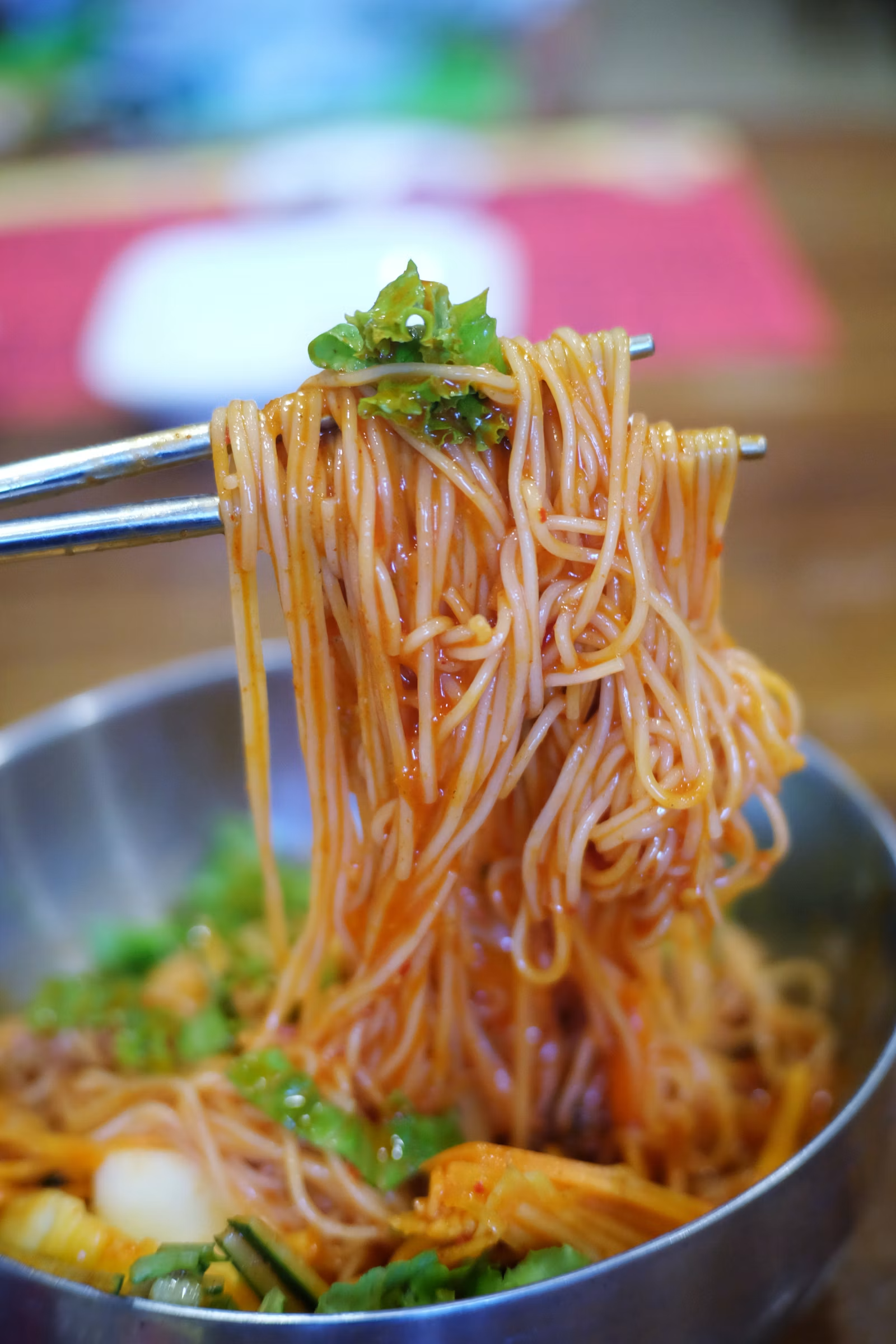
The two formats of a naengmyeon recipe differ in whether the bowl is served with broth or sauce. Mul-naengmyeon (물냉면, “water cold noodles”) uses the beef broth described above — the noodles are served submerged, and the broth carries the primary flavor. Bibim-naengmyeon (비빔냉면, “mixed cold noodles”) uses no broth; the cooked and chilled noodles are tossed directly in the spicy bibim sauce before the toppings are arranged.
For bibim-naengmyeon, combine all the bibim sauce ingredients and adjust the heat to your preference. Drain the noodles completely, toss them in the sauce until every strand is coated, then add the standard toppings. The result is spicy, tangy, and intensely flavored — a different experience from the broth-based version but built on the same base.
Frequently Asked Questions
Where can I find naengmyeon noodles? Dried naengmyeon noodles are available at most Korean grocery stores and through online retailers, often sold in packs that include a dried broth sachet. For this naengmyeon recipe, use the noodles and skip the sachet — the homemade beef broth is significantly better than the instant version included in the pack.
Can I make the broth ahead of time? Yes — making it the day before is strongly recommended. An overnight-chilled broth is colder and more fully developed in flavor than one chilled for only a few hours. Freeze the broth cubes at the same time so they are ready when you assemble the bowls.
Why are naengmyeon served in a metal bowl? Metal conducts cold more efficiently than ceramic, keeping the broth and noodles at the correct low temperature throughout the meal. Most dedicated naengmyeon restaurants serve in stainless steel bowls specifically for this reason, and using one at home replicates that experience well.
Final Thoughts
This naengmyeon recipe rewards the extra time spent making the broth from scratch — it is the component that distinguishes a genuinely good version from an average one. Make it a day ahead, prepare the toppings while it chills, and the bowl comes together in under 10 minutes.
Cold noodles at their best are a complete summer meal that no other Korean dish quite replicates.