The moisturizer step is where the Korean skincare routine seals everything that came before it — toner, essence, serum — into the skin and holds it there. A Korean moisturizer is designed with that layering system in mind: it is typically lighter than Western equivalents, formulated to lock in multiple previous hydration layers without feeling heavy, and packed with active ingredients that continue working throughout the day or night. The result is a product that does more than create a moisture barrier — it actively improves the skin’s hydration levels and barrier function over consistent use.
Choosing the right formula depends on skin type, the time of day, and what the rest of the routine includes.
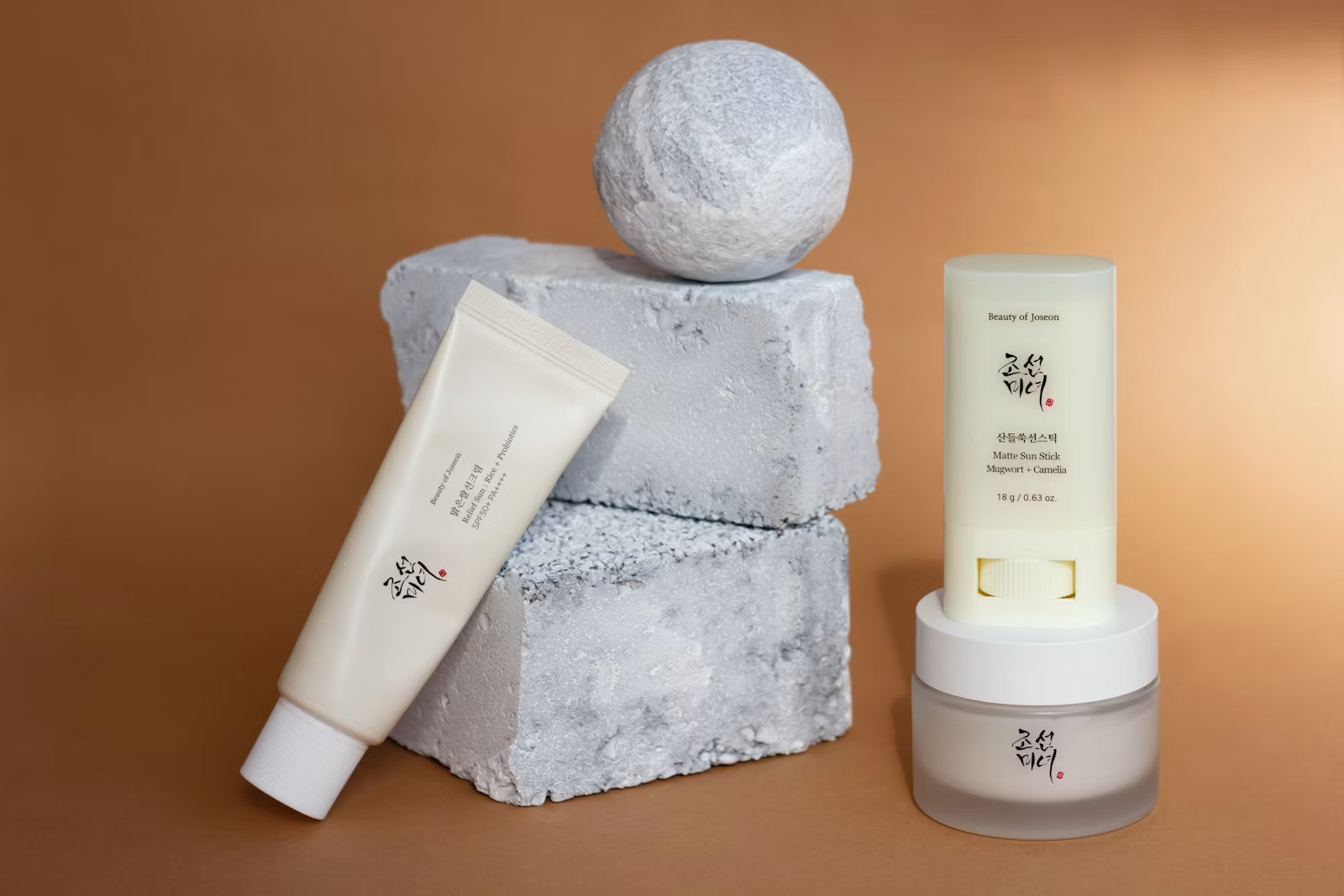
What You’ll Find in This Korean Moisturizer Guide
- What Makes Korean Moisturizer Different
- Best for Normal to Dry Skin
- Best for Oily and Combination Skin
- Best for Sensitive and Reactive Skin
- Best for Brightening
- Best Anti-Aging Formula
- Best Budget Pick
- How to Apply Correctly
- Frequently Asked Questions
What Makes Korean Moisturizer Different
The defining feature of a Korean moisturizer is the texture-to-function ratio. K-beauty brands have spent decades developing formulas that deliver serious hydration without the thick, occlusive feel that has made Western moisturizers difficult for many skin types to use daily. The most common formats are gel-creams, water-creams, and lightweight emulsions — all designed to absorb completely within 30 to 60 seconds and leave no residue.
Ingredient philosophy is the other key difference. A Korean moisturizer typically incorporates ceramides, fermented extracts, peptides, or plant stem cells alongside the humectants and emollients that make up a standard moisturizer — turning the step from a simple seal into an active treatment.
1. Best for Normal to Dry Skin
Formulas for normal to dry skin combine humectants — glycerin, multiple molecular weights of hyaluronic acid, beta-glucan — with emollients like shea butter or squalane to draw moisture in and then seal it in place. The best options in this category absorb fully while leaving the skin feeling noticeably plumper and softer within minutes of application.
A Korean moisturizer for dry skin often includes fermented yeast extract or snail secretion filtrate, both chosen for their ability to provide intense hydration while simultaneously supporting the skin barrier. Rice extract appears frequently in this category as well — a traditional Korean skincare ingredient known for brightening and deeply moisturizing effects.
2. Best for Oily and Combination Skin
A gel or water-cream Korean moisturizer is the standard recommendation for oily and combination skin types. These formulas use a high water content with minimal oils, providing hydration without adding any weight or contributing to congestion. They absorb in seconds, leave a matte or semi-matte finish, and can be worn comfortably under sunscreen and makeup.
Niacinamide at 2 to 5 percent appears frequently in moisturizers for oily skin because it regulates sebum production at the cellular level while also minimizing the appearance of pores. The goal with this skin type is not to skip moisture — which triggers excess oil production — but to provide it in the lightest possible format.
3. Best for Sensitive and Reactive Skin
Centella asiatica is the ingredient most closely associated with the best Korean moisturizer options for sensitive skin. It contains four key active compounds — asiaticoside, asiatic acid, madecassic acid, and madecassoside — that calm inflammation, rebuild the skin barrier, and reduce redness without introducing any irritation risk. The best formulas in this category are fragrance-free, essential-oil-free, and pH-balanced.
Beta-glucan and panthenol are two additional ingredients consistently found in this category. Beta-glucan has a higher hydration index than hyaluronic acid at comparable molecular weights; panthenol (provitamin B5) penetrates quickly and accelerates barrier repair. Together they form a core that the best sensitive-skin formulas build around.
4. Best for Brightening
A brightening Korean moisturizer typically combines niacinamide with vitamin C derivatives, tranexamic acid, or arbutin to address hyperpigmentation, uneven skin tone, and dullness simultaneously. The moisturizer format is well-suited to brightening actives because it applies them as the final skin-contact step, giving them the longest possible time on the skin before the next morning’s cleanse.
Niacinamide works by blocking melanin transfer from melanocytes to skin cells; vitamin C derivatives and arbutin inhibit tyrosinase, the enzyme that triggers melanin production. Combined in a daily moisturizer, these actives produce visible improvements over 8 to 12 weeks of consistent use.
5. Best Anti-Aging Formula
Peptide-forward formulas define the anti-aging segment of Korean moisturizer. Peptides are short amino acid chains that signal fibroblasts to produce more collagen and elastin — the structural proteins that give skin its firmness and elasticity. The best formulas in this category include multiple peptide types targeting different aspects of skin aging: signal peptides for collagen stimulation, carrier peptides for mineral delivery, and inhibitor peptides for muscle relaxation.
Adenosine — a well-studied anti-wrinkle active that appears frequently in Korean cosmetics — is another reliable marker of a genuinely effective anti-aging moisturizer. Combined with retinol or bakuchiol in an evening formula, a peptide-rich Korean moisturizer creates a comprehensive anti-aging routine at a single step.
6. Best Budget Pick
Several widely available brands produce a Korean moisturizer with ingredient lists that rival products at three or four times the price — ceramide-rich formulas, centella asiatica cream, and niacinamide gel-creams all exist in accessible price ranges that make daily use financially easy to maintain. Starting with a budget option is particularly sensible because skin type compatibility with a specific formula often takes a few weeks to assess, and spending less during that evaluation period is practical.
Price and ingredient quality do not reliably correlate in this category. The better approach is to identify your primary skin concern, match it to the correct active ingredients, and start with a budget option before upgrading.
How to Apply Correctly
Apply as the final step of your skincare routine, after toner, essence, and serum have been fully absorbed. Take a pea- to dime-sized amount — the correct amount is less than most people assume — and warm it between the palms before pressing it gently across the face and neck.
In the morning, apply a Korean moisturizer before sunscreen. In the evening, apply it as the last step before sleep, when the skin’s repair processes are most active. Some routines use a heavier night cream in the evening and a lighter gel-cream during the day — a practical approach for skin types that vary in oiliness between morning and night.
Frequently Asked Questions
Do I need a Korean moisturizer if I already use an essence and serum? Yes — the moisturizer serves a distinct function that the earlier steps do not: it seals the active ingredients from the toner, essence, and serum into the skin and slows the rate at which they evaporate. Skipping it means losing much of the hydration and active-ingredient benefit from the earlier steps.
Can a Korean moisturizer replace sunscreen? No. Even formulas with added SPF typically do not provide the coverage needed for reliable daily protection unless applied at the full recommended SPF dose, which is significantly more product than a typical moisturizer application. Use a dedicated sunscreen as the final morning step after moisturizer.
How do I know if a Korean moisturizer is right for my skin type? The texture is the clearest indicator: gel and water-cream formulas suit oily and combination skin; emulsion and cream formats suit normal and dry skin; and fragrance-free, single-active formulas suit sensitive skin. If a formula pills under sunscreen or makeup, it is typically too heavy or silicone-based in a way that conflicts with the products applied over it.
Final Thoughts
The right Korean moisturizer is the step that determines how well the entire routine performs — because it is the layer that holds everything else in place. Match the formula to your skin type, apply the correct amount, and give it at least four to six weeks before evaluating results.
The best skin comes from consistent daily habits, not from any single product.