The skin under the eye is the thinnest on the face and shows the earliest visible signs of aging, fatigue, and dehydration. A good Korean eye cream is formulated specifically for this delicate area — lighter in texture than a standard facial moisturizer, non-comedogenic, and built with ingredients that target the specific concerns that affect the undereye: dark circles, puffiness, fine lines, and loss of firmness.
K-beauty brands have invested heavily in this category, and the results show in both ingredient quality and the range of textures available.
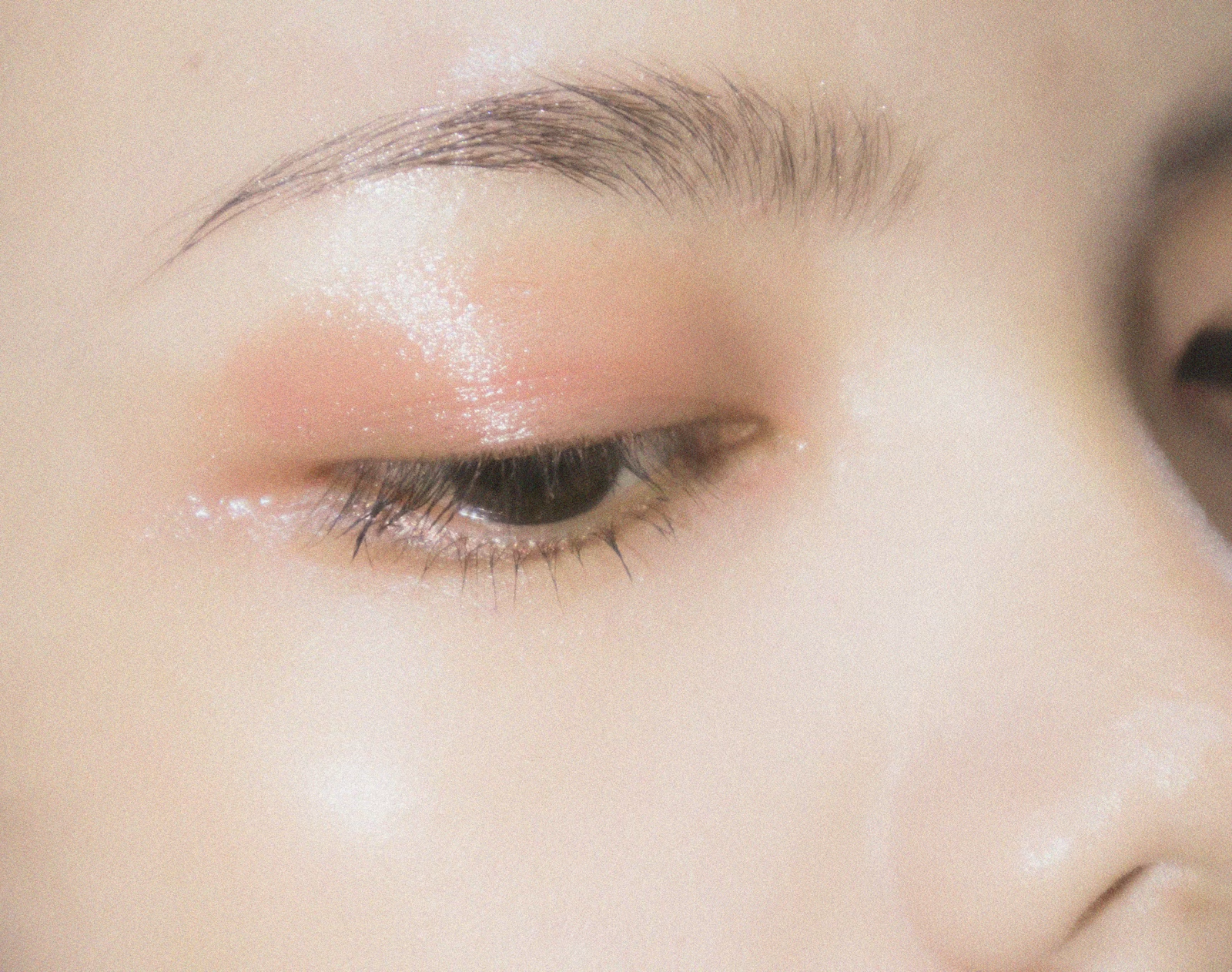
What You’ll Find in This Korean Eye Cream Guide
- Why Korean Eye Cream Formulas Are Different
- Best for Dark Circles
- Best for Puffiness
- Best for Fine Lines and Wrinkles
- Best for Deep Hydration
- Best for Firming
- Best Budget Option
- How to Apply Correctly
- Frequently Asked Questions
Why Korean Eye Cream Formulas Are Different
The best Korean eye cream products tend to prioritize skin compatibility and long-term results over immediate brightening effects. Formulas in this category typically avoid synthetic fragrances and alcohol in eye-area products, which reduces the risk of irritation in a sensitive zone. The use of fermented ingredients, peptide complexes, and plant-derived brighteners is more common in K-beauty eye products than in many Western counterparts, and the textures are designed to layer well under makeup without pilling.
1. Best for Dark Circles
Niacinamide and vitamin C derivatives are the two ingredients most consistently found in products targeting dark circles in this category. Niacinamide at 2 to 5 percent reduces melanin transfer, gradually lightening pigmentation-based dark circles over consistent use. For vascular dark circles — those caused by blood vessel visibility through thin skin — caffeine and peptides that improve circulation are the more effective approach.
Understanding which type of dark circle you have determines which formula will work best for your particular concern.
2. Best for Puffiness
Caffeine is the gold-standard ingredient in Korean eye cream for morning puffiness because it constricts blood vessels and temporarily reduces fluid accumulation. Formulas for puffiness often combine caffeine with adenosine and cooling botanical extracts like green tea, centella asiatica, or licorice root. The best results come from storing the product in the refrigerator and applying with light tapping motions rather than rubbing.
For chronic puffiness driven by diet, sleep, or allergies, an eye formula addresses the surface but lifestyle factors should also be considered.
3. Best for Fine Lines and Wrinkles
Peptides are the defining ingredient in the best Korean eye cream for fine lines — they signal skin cells to produce more collagen without the potential irritation of retinol, which is too strong for regular use on the undereye in most formulations. Look for formulas containing multiple peptide types (Matrixyl, Argireline, or copper peptides) combined with retinaldehyde if you want a very gentle form of vitamin A, or ceramides and fatty acids for barrier repair.
Consistency over 8 to 12 weeks is required to see meaningful change with any peptide-based formula in this category.
4. Best for Deep Hydration
The undereye area often shows dehydration lines before anywhere else on the face — those fine lines that appear when skin is dry but smooth out when pressed. A hydrating formula focused on hyaluronic acid, glycerin, and squalane fills these lines from within by restoring moisture levels. These products tend to have a gel or gel-cream texture that absorbs easily without feeling heavy.
Applying before sleeping rather than only in the morning gives better long-term results because the skin repairs itself overnight.
5. Best for Firming
Loss of elasticity and firmness around the eyes is one of the more challenging concerns to address topically, but formulas using collagen-synthesis peptides, plant stem cell extracts, and bakuchiol (a plant-derived retinol alternative) have shown meaningful improvement in skin firmness measurements in clinical testing. Gold extract, a signature ingredient in several premium lines, provides a temporary tightening effect while supporting longer-term elasticity improvements.
These richer-textured options are most effective as part of an evening routine.
6. Best Budget Option
Several accessible options at mid-range or affordable price points use the same effective actives — niacinamide, peptides, caffeine, hyaluronic acid — as their premium counterparts, with minimal fragrance and a focused ingredient list. Starting with a budget-friendly Korean eye cream and giving it 8 to 12 weeks of consistent use is a sensible approach before committing to a more expensive formula.
Price in this category does not consistently correlate with results; formulation and ingredient concentration matter more.
How to Apply Correctly
Use your ring finger, which naturally exerts the least pressure. Tap a small amount of Korean eye cream gently around the orbital bone — the bone rim surrounding the eye — rather than directly on the eyelid or immediately below the lash line. Work from the inner corner outward. Avoid tugging or rubbing the skin in any direction.
Apply morning and evening for the best cumulative results. In the morning, allow the product to fully absorb before applying concealer to prevent pilling.
Frequently Asked Questions
When should I start using eye cream? Most dermatologists recommend starting in your mid-20s, when collagen production naturally begins to slow. Prevention is more effective than correction, and a well-chosen Korean eye cream is gentle enough for early, preventive use.
Can I use regular face moisturizer under my eyes instead? You can, but standard moisturizers are often heavier and may cause milia (small white bumps) under the eyes over time. Formulas in this category are designed for the specific texture and thickness of the undereye skin.
How long until I see results? Puffiness and hydration improvements can appear within days. Dark circle and fine line improvements require 8 to 12 weeks of consistent twice-daily use.
Should I apply eye cream before or after serum? After serum and before moisturizer. In a layered Korean skincare routine, Korean eye cream is applied at the same step as moisturizer but specifically to the eye area.
Final Thoughts
The right Korean eye cream addresses your primary concern directly — whether that is dark circles, puffiness, fine lines, or firmness. Match the formula to the issue, apply consistently with a light touch, and give it at least 8 weeks before evaluating.
Patience and correct application technique matter as much as the product itself in this category.