Restaurant Korean BBQ is great, but there’s something even better about doing Korean BBQ at home: no waiting for a table, no rush to finish before the next reservation, and total control over exactly how charred you like your galbi.
Good news, you don’t need fancy equipment or years of practice. Here’s a simple, no-stress walkthrough covering everything from meat selection to the sauces that make it all come together.
What You’ll Find in This Guide
- What Equipment You Actually Need
- Step 1: Choose Your Meats
- Step 2: Marinate or Keep It Simple
- Step 3: Prep Your Banchan and Lettuce Wraps
- Step 4: Master the Grilling Technique
- Step 5: Build the Perfect Bite
- Essential Dipping Sauces
- Common Mistakes to Avoid
- Frequently Asked Questions
What Equipment You Actually Need
You don’t need a professional setup to pull off Korean BBQ at home. A simple tabletop electric or butane grill works perfectly well, and both are widely available and affordable. A good pair of kitchen tongs and scissors (for cutting meat as it cooks) round out the essentials.
If you don’t have a tabletop grill, a cast iron skillet or grill pan on the stove can work in a pinch, though you’ll miss some of that smoky char that makes the real thing special.
Step 1: Choose Your Meats
Thinly sliced cuts are the standard for home grilling since they cook quickly and stay tender. Popular options include:
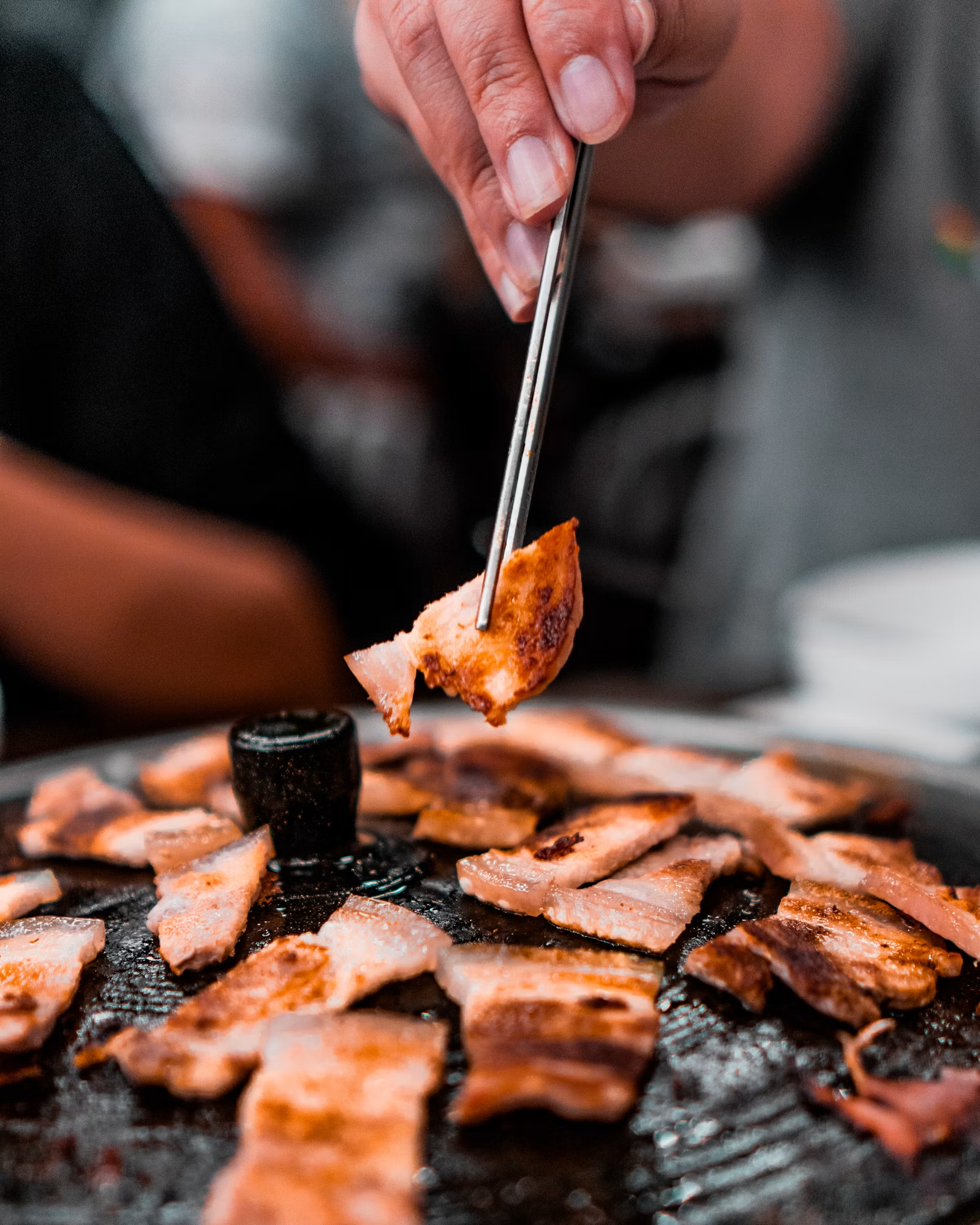
- Samgyeopsal (pork belly), the most popular cut for home grilling, prized for its rich, fatty flavor
- Bulgogi (thinly sliced marinated beef), tender and slightly sweet
- Galbi (marinated short ribs), bold and savory with a deeper flavor profile
- Dak galbi (spicy marinated chicken), a great option if you want something lighter
Most Korean grocery stores sell pre-sliced cuts specifically labeled for grilling, which makes shopping for Korean BBQ at home much easier than trying to slice everything yourself.
Step 2: Marinate or Keep It Simple
Pork belly is often grilled completely unmarinated, just salt and pepper, since the meat’s natural fat does most of the flavor work. Beef and chicken, on the other hand, benefit from a marinade of soy sauce, garlic, sesame oil, sugar, and grated pear or onion for natural sweetness and tenderness.
If you’re short on time, a store-bought Korean BBQ marinade is a perfectly reasonable shortcut for Korean BBQ at home. Just give the meat at least 30 minutes to absorb the flavors before grilling.
Step 3: Prep Your Banchan and Lettuce Wraps
No Korean BBQ spread is complete without a few side dishes. Kimchi, pickled radish, and a simple cucumber salad are easy to prepare ahead of time and add brightness and acidity that cuts through the richness of grilled meat.
Lettuce leaves or perilla leaves are essential for wrapping grilled meat, and they’re worth picking up specifically rather than substituting in regular salad greens, since their texture and mild flavor are part of the experience.
Step 4: Master the Grilling Technique
Preheat your grill thoroughly before adding any meat, since a cold surface leads to steaming instead of searing. Cook fattier cuts like pork belly first, since the rendered fat helps season the grill surface for everything that follows.
Use scissors to cut larger pieces as they cook, a genuinely useful trick that speeds up cooking time and makes portioning easier at the table. Don’t overcrowd the grill, smaller batches cook more evenly and give you better control over char, which is one of the small details that separates great Korean BBQ at home from a mediocre one.
Step 5: Build the Perfect Bite
The classic move is to wrap a piece of grilled meat, a dab of ssamjang (a savory fermented soybean and chili paste), and a piece of garlic or a slice of green onion inside a lettuce leaf. Add a bit of rice if you want something heartier.
This wrapped bite is really the whole point of Korean BBQ at home, balancing rich, savory meat with fresh, crunchy vegetables and a punch of fermented flavor in a single mouthful.
Essential Dipping Sauces
A few sauces elevate the whole experience significantly:
- Ssamjang, a thick, savory-spicy paste perfect for lettuce wraps
- Sesame oil with salt and pepper, a classic simple dip for pork belly
- Soy-based dipping sauce with scallions, great for thinner cuts like bulgogi
Most of these are available pre-made at Korean grocery stores, so you don’t need to make everything from scratch unless you want to. Having a couple of these sauces on hand is one of the easiest ways to make Korean BBQ at home taste like the real thing.
Common Mistakes to Avoid
- Overcrowding the grill. This traps steam and prevents proper searing, leading to gray, unevenly cooked meat.
- Skipping the preheat. A cold grill surface is the most common reason home-grilled meat ends up rubbery instead of charred.
- Forgetting the banchan. The side dishes aren’t optional extras, they’re what balances the richness of the meat.
- Using the wrong lettuce. Regular iceberg lettuce works in a pinch, but Korean lettuce or perilla leaves are sturdier and more flavorful for wraps.
- Not prepping banchan ahead of time. Scrambling to make side dishes while grilling takes away from the relaxed pace that makes Korean BBQ at home enjoyable in the first place.
Stocking a Korean BBQ Pantry
If you plan on making Korean BBQ at home a regular thing, a few pantry staples make future setups much faster. Keep soy sauce, sesame oil, gochujang, and a jar of ssamjang on hand at all times, since these form the base of nearly every marinade and dipping sauce you’ll need.
A bag of frozen pre-sliced pork belly or beef brisket also keeps well in the freezer for a spontaneous grill night, so you’re never more than a thaw away from a full spread.
Frequently Asked Questions
What’s the best cut of meat for beginners trying Korean BBQ at home? Samgyeopsal (pork belly) is the easiest starting point since it requires no marinade and is hard to overcook into dryness thanks to its fat content.
Do I need a special grill to do this at home? A tabletop electric or butane grill works great, but a cast iron skillet or grill pan on the stove is a workable substitute if you don’t have one.
How long should I marinate beef or chicken? At least 30 minutes, though a few hours or overnight in the refrigerator will give you a deeper, more developed flavor.
What sauce should I serve if I can only make one? Ssamjang is the most versatile option and pairs well with almost every cut of grilled meat.
Final Thoughts
Korean BBQ at home is far more approachable than most people expect once you have the right setup and a few key ingredients. Start simple with pork belly and a couple of banchan, then build out your spread as you get more comfortable.
The best part is there’s no rush, no reservation, and as many refills of rice as you want.