Jeonju sits in North Jeolla Province in the southwest of South Korea and is widely considered the country’s food capital, the city most associated with the origins of Korean cuisine. Its 700-home Hanok Village, its bibimbap, its traditional paper crafts, and its quiet lane atmosphere make it one of the most rewarding day trips or overnight stops outside Seoul. This Jeonju travel guide covers the six things that will make the biggest difference to how much you enjoy the visit.
It’s an easy city to navigate, but timing and a few local food choices make the difference between a good trip and a great one.
What You’ll Find in This Jeonju Travel Guide
- How to Get to Jeonju
- Jeonju Hanok Village: What to Expect
- What to Eat in Jeonju
- Best Time to Visit
- Where to Stay
- What Else to Do
- Frequently Asked Questions
1. How to Get to Jeonju
From Seoul, the most comfortable option is the KTX train from Seoul Station to Jeonju Station, which takes about 1 hour and 45 minutes. Regular trains and express buses also run from Seoul and take around 2 to 3 hours. Buses depart from Seoul’s Central City Bus Terminal, with tickets easy to book online.
From Jeonju Station or the bus terminal, a short taxi or bus ride takes you to the Hanok Village, which is the central point of any Jeonju travel guide worth the name.
2. Jeonju Hanok Village: What to Expect
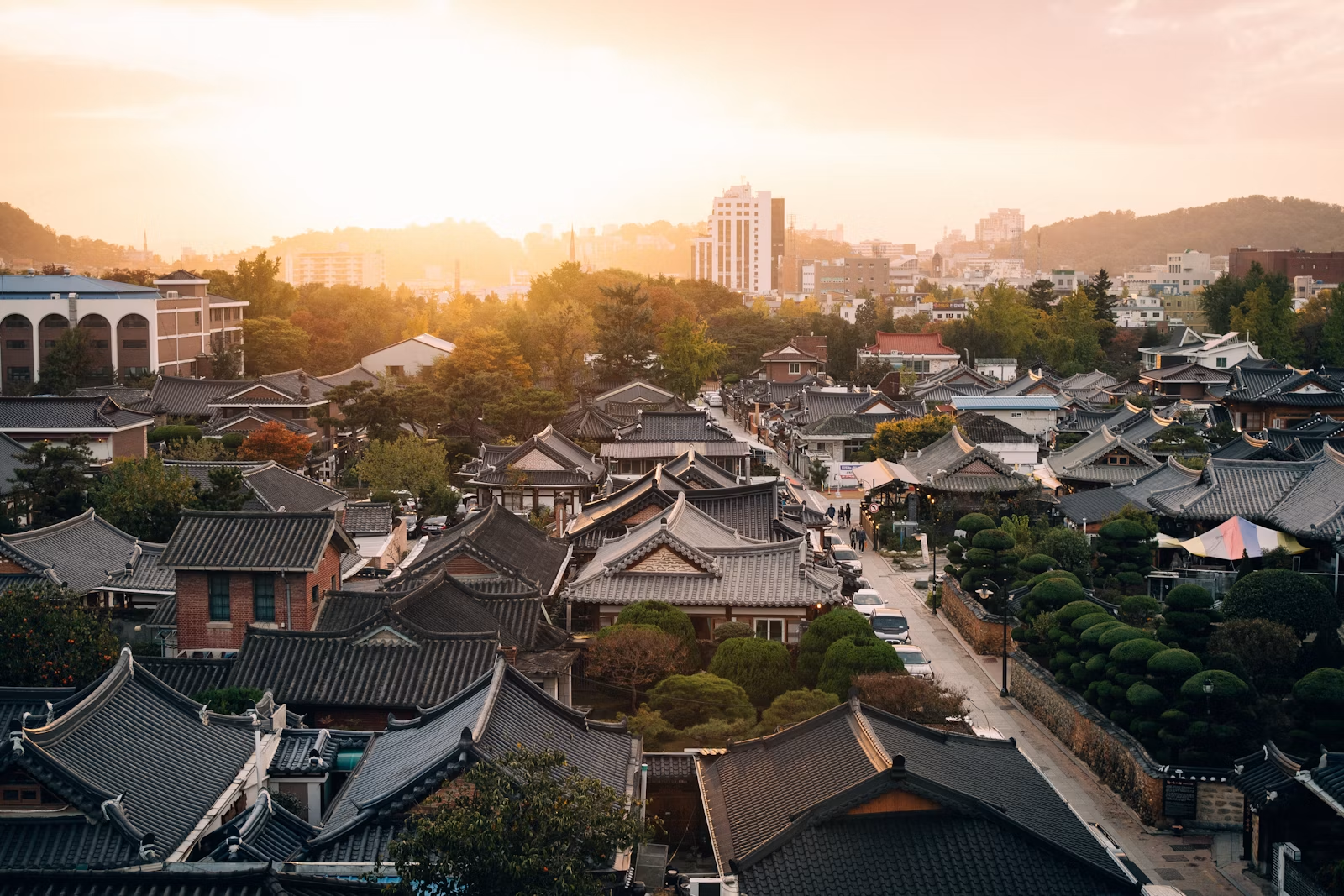
The Hanok Village is the heart of this Jeonju travel guide and the main reason most visitors come. Unlike some preserved villages, it’s a living residential neighborhood with over 700 traditional Korean hanok homes, many of which now operate as guesthouses, cafes, and restaurants while families still live in the others.
The village is easily walkable in two to three hours, though slower exploration and stopping for food takes most of a full day. Renting a hanbok to wear while walking through the village is extremely popular, with dozens of rental shops around the entrance charging affordable hourly rates.
The village is most crowded on weekend afternoons; arriving early in the morning or visiting on a weekday gives noticeably more room to move and better light for photos.
3. What to Eat in Jeonju
Food is the defining reason for including Jeonju in any Korea itinerary, and this is the section of any Jeonju travel guide that gets the most attention. Jeonju bibimbap is widely considered the most authentic version of the dish in Korea, served in a stone bowl with a fried egg and an unusually large number of finely prepared vegetable toppings and rice cooked in beef bone broth.
Beyond bibimbap, Jeonju is known for kongnamul gukbap (bean sprout soup with rice), which locals eat as a hangover cure and morning staple, and for its night market along Nambu Market, which runs every Friday and Saturday evening with street food stalls and live performances.
Makgeolli, the traditional Korean rice wine, is another Jeonju specialty, with the city having its own regional brewing tradition. Many local restaurants serve it with free side dishes (an unusual practice that extends to a surprising number of small plates).
4. Best Time to Visit
Spring (March to May) and autumn (September to November) are the most comfortable seasons for this Jeonju travel guide itinerary, with mild temperatures and minimal rain. The village looks particularly good in spring when nearby cherry trees bloom, and in autumn when the ginkgo trees along the main lanes turn yellow.
Summer is humid and occasionally hot but manageable, and the outdoor food market atmosphere is at its peak. Winter visits are quieter with smaller crowds, though some outdoor areas feel less lively.
The Jeonju International Film Festival runs in late April to early May each year and draws larger-than-usual crowds but also brings an interesting cultural energy to the city.
5. Where to Stay
Staying in a hanok guesthouse inside the village is the experience most first-time visitors to this Jeonju travel guide destination want. These traditional wooden homes have been converted to accommodate modern comforts while preserving the courtyard layout and sliding door aesthetics. Booking several weeks in advance is recommended, especially for weekends and spring or autumn visits.
Budget and mid-range hotels are also available near the station or along the main commercial streets, which is a practical option for those who prefer a standard room setup.
6. What Else to Do
Beyond the Hanok Village and food, Jeonju has a few other worthwhile stops. The Jeonju Hanji (traditional paper) Museum covers the city’s long history of handmade paper production, and the Gyeonggijeon Shrine, which houses a portrait of the Joseon dynasty’s founder, is a quiet and atmospheric spot inside the village itself.
Jeonju Cathedral, a red-brick French Gothic church built in 1914, is unusual to encounter amid the traditional Korean architecture and worth a brief stop. A short taxi ride also reaches Omokdae and Imokdae hilltops with sweeping views over the Hanok Village below, a detail that rarely makes it into a standard Jeonju travel guide but consistently impresses visitors who find it.
Frequently Asked Questions
Is Jeonju worth a full day or just a half day? A full day is more satisfying, especially if you plan to eat well and explore slowly. Overnight visitors get the added benefit of seeing the village in the early morning before the crowds arrive.
Do I need to speak Korean to visit Jeonju? No, the Hanok Village area is well-equipped for international visitors, with English signage in most tourist areas and many guesthouses and restaurants accustomed to non-Korean speakers.
Is Jeonju Hanok Village free to enter? The village itself is open and free to walk through. Individual attractions like Gyeonggijeon Shrine have small entry fees, but the lanes, cafes, and restaurants are accessible without any admission cost.
Can I combine Jeonju with other destinations? Yes, many travelers combine it with a stop at Boseong Green Tea Fields, a short bus ride south, or use Jeonju as a base to explore the broader Jeolla Province.
Final Thoughts
This Jeonju travel guide covers what matters most for a first visit, but the city genuinely rewards those who slow down and eat their way through it properly. The bibimbap, the hanok lanes, and the quiet morning atmosphere before the tour groups arrive are all worth experiencing without rushing.
Budget at least one full day, arrive early, and save room for more than one meal.