Jeju Island feels like a different country compared to mainland Korea, volcanic landscapes, subtropical beaches, and a slower pace that makes it Korea’s favorite domestic getaway. This Jeju Island travel guide covers the 8 experiences that make the island worth a dedicated trip, whether you’re after hiking, beaches, or just a few days of quiet scenery.
What You’ll Find in This Jeju Island Travel Guide
- Hike Hallasan, South Korea’s Tallest Peak
- Watch Sunrise at Seongsan Ilchulbong
- Explore Manjanggul Lava Tube Cave
- Relax on Hyeopjae and Hamdeok Beaches
- Wander Through Canola and Cherry Blossom Fields
- Visit the Lighthouse Coastline
- Discover Udo Island
- Try Black Pork and Fresh Seafood
- How Many Days You Need and Getting Around
1. Hike Hallasan, South Korea’s Tallest Peak
Hallasan is a dormant volcano and the tallest mountain in South Korea, with a crater lake at its summit that’s only visible from certain trails. Several routes lead to the top, ranging from moderate to genuinely challenging, with round trips often taking six to nine hours depending on which trail you choose.
Even if you don’t attempt the full summit, the lower sections offer rewarding views and are far more accessible for casual hikers, making Hallasan a highlight of any Jeju Island travel guide.
2. Watch Sunrise at Seongsan Ilchulbong
This volcanic tuff cone, often called Sunrise Peak, is one of Jeju’s most iconic landmarks and a UNESCO World Heritage site. The short hike to the rim takes about 30 to 40 minutes and rewards you with sweeping views over the crater and surrounding coastline.
Arriving for sunrise is genuinely worth the early wake-up, the light over the crater rim is one of the signature images in any Jeju Island travel guide.
3. Explore Manjanggul Lava Tube Cave
One of the longest lava tube systems in the world, Manjanggul offers a walkable section open to the public, complete with dramatic rock formations and a massive lava column near the end of the accessible path. It’s a refreshingly cool escape if you’re visiting during Jeju’s hot, humid summer months.
The cave maintains a consistent temperature year-round, so bring a light jacket even in summer. It’s one of the more unusual stops in this Jeju Island travel guide, and well worth the detour.
4. Relax on Hyeopjae and Hamdeok Beaches
Jeju’s beaches have a different character than mainland Korea’s, white sand, turquoise water, and a noticeably more relaxed atmosphere. Hyeopjae Beach on the west coast and Hamdeok Beach on the east coast are two of the most popular, each backed by cafes and low-key beach bars.
Both are great spots for swimming, paddleboarding, or simply spending an afternoon doing nothing in particular, and they’re consistently among the top recommendations in any Jeju Island travel guide.
5. Wander Through Canola and Cherry Blossom Fields
Jeju is famous for its seasonal flower fields, bright yellow canola blooms in spring and cherry blossoms that often bloom earlier here than on the mainland thanks to the island’s warmer climate. Fields near Seogwipo and the eastern coastline are popular spots for both.
Timing your trip around these blooms, typically late March through April, adds an extra layer of scenery to an already photogenic island.
6. Visit the Lighthouse Coastline
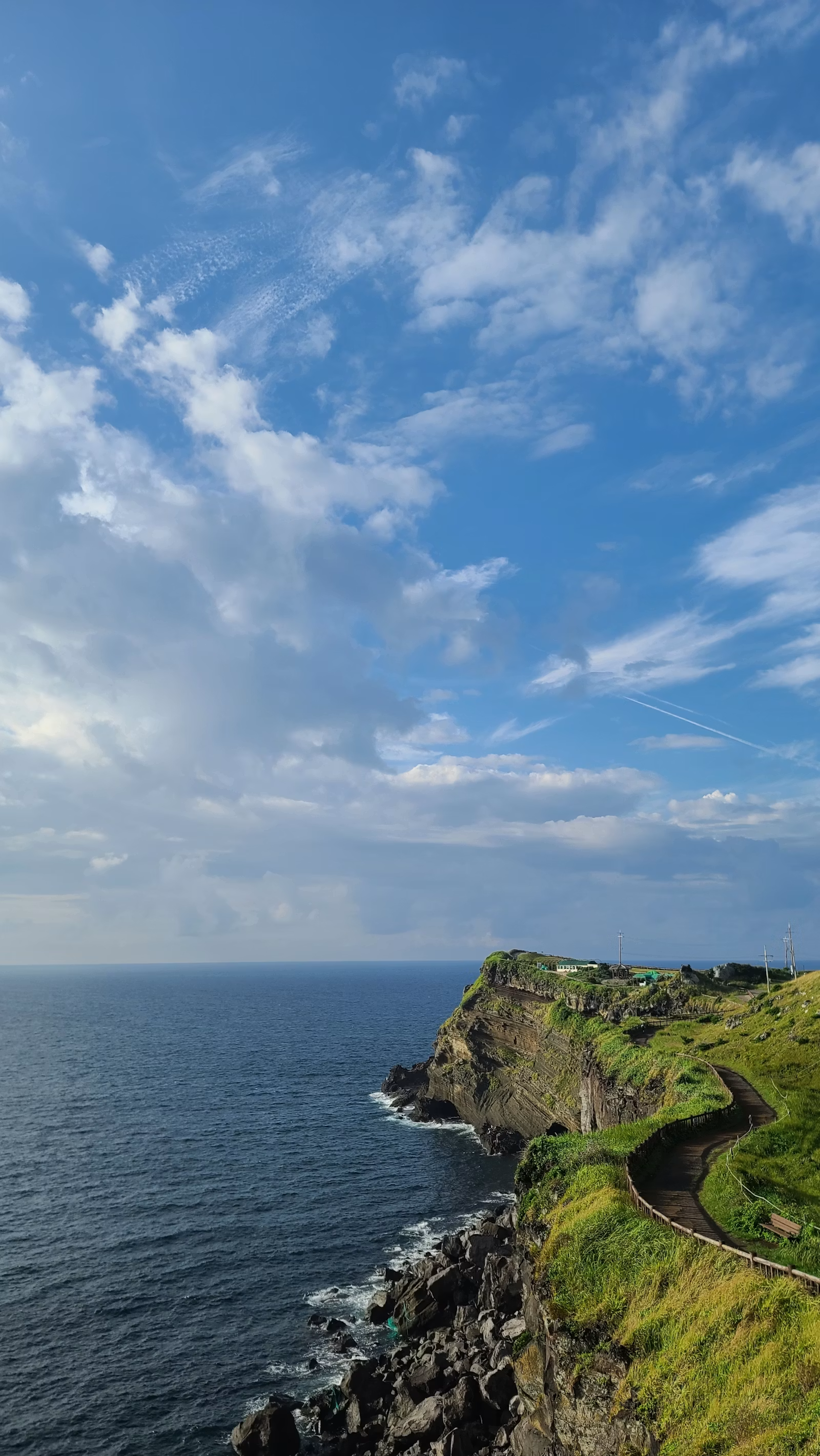
Jeju’s coastline is dotted with scenic lighthouses set against dramatic volcanic rock formations, particularly around the island’s southern and western edges. These spots are quieter than the major tourist landmarks but offer some of the most striking coastal photography on the island.
Renting a car makes these lesser-known coastal spots far easier to reach than relying on public transit alone.
7. Discover Udo Island
A short ferry ride from Jeju’s eastern coast, Udo (Cow Island) is a small island known for its peanut-flavored ice cream, coastal cycling paths, and noticeably slower pace than even Jeju itself. Renting a bike or scooter is the best way to circle the island in a few unhurried hours.
It’s a perfect half-day or full-day addition if you have extra time built into your itinerary, and a frequent favorite in reader trip reports built around this Jeju Island travel guide.
8. Try Black Pork and Fresh Seafood
Jeju is famous for its black pork, a local pig breed with a richer, more flavorful meat than standard pork, typically grilled tabletop-style similar to mainland Korean BBQ. Fresh seafood, including abalone and sea urchin, is another local specialty worth seeking out, particularly in coastal towns and traditional markets.
How Many Days Do You Need on Jeju Island?
Three to four days is a comfortable amount of time to combine a hike, a beach day, and time for the island’s caves and coastal landmarks without feeling rushed.
Getting Around Jeju Island
Renting a car is by far the most practical way to explore Jeju, since public transit doesn’t reach many of the island’s best coastal and rural spots efficiently. Most major car rental companies have counters at Jeju International Airport, making pickup straightforward upon arrival.
Where to Stay on Jeju Island
Jeju City in the north is the most convenient base for first-time visitors, with easy airport access and proximity to Manjanggul Cave and the eastern coastline. Seogwipo on the south coast suits travelers prioritizing Hallasan hikes and waterfalls, while staying near Hyeopjae or Hamdeok puts you closer to the island’s best beaches.
Picking a base depends entirely on which parts of this Jeju Island travel guide matter most to your itinerary, so it’s worth mapping out your priorities before booking.
Frequently Asked Questions
Is Jeju Island worth visiting if I’m short on time? Even two days covers a solid mix of highlights, like Seongsan Ilchulbong and one beach, though three to four days lets you add Hallasan or Udo Island.
Do I need a car to get around Jeju? It’s highly recommended, since many of the island’s best spots are spread out and not well served by public transportation.
What’s the best season to visit Jeju Island? Spring (for canola and cherry blossoms) and fall (for mild hiking weather) are generally considered the best seasons, though each season offers something different.
Is Hallasan difficult to hike? Some trails are moderate and accessible to casual hikers, while reaching the true summit crater requires a longer, more demanding route.
Final Thoughts
This Jeju Island travel guide only covers a fraction of what the island offers, but these 8 spots capture the mix of volcanic landscapes, beaches, and local flavor that make Jeju one of Korea’s most rewarding destinations.
Rent a car, build in some flexibility, and let the island’s slower pace set the tone for your trip.