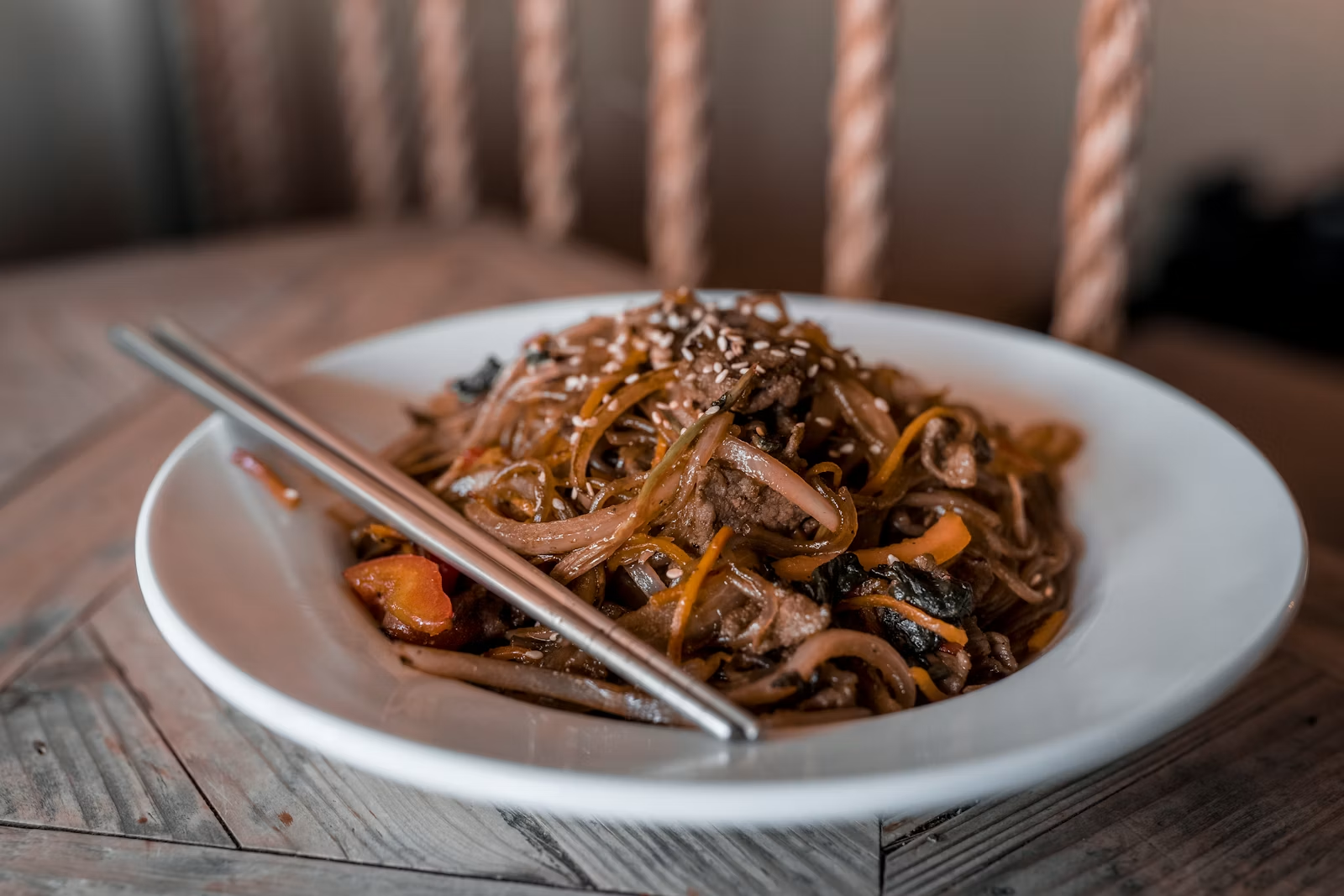
Japchae is one of Korea’s most beloved dishes, glass noodles made from sweet potato starch that turn silky and slightly chewy once cooked, tossed with a rainbow of stir-fried vegetables and a savory-sweet soy sauce. This japchae recipe keeps the process straightforward without cutting corners on the textures that make the dish work, and it’s ready in about 30 minutes.
It works equally well as a banchan side dish or the main event.
What You’ll Find in This Japchae Recipe
- What Makes Japchae Special
- Ingredients You’ll Need
- Step 1: Cook the Noodles
- Step 2: Prepare the Vegetables
- Step 3: Cook the Beef
- Step 4: Season and Combine
- Step 5: Finish and Serve
- Variations to Try
- Common Mistakes to Avoid
- Frequently Asked Questions
What Makes Japchae Special
The defining ingredient in any japchae recipe is dangmyeon, the translucent sweet potato starch noodles that give the dish its name and signature texture. Unlike wheat noodles, dangmyeon stay springy and chewy even after sitting out, which is why japchae keeps well and actually improves slightly as it rests.
The dish is also known for its array of colorful vegetables, each cooked separately to preserve their individual flavors and textures before everything comes together at the end.
Ingredients You’ll Need
For the noodles:
- 7 oz (200g) dried dangmyeon (Korean sweet potato glass noodles)
- 2 tablespoons soy sauce
- 1 tablespoon sesame oil
- 1 tablespoon sugar
For the filling:
- 5 oz (140g) beef sirloin or ribeye, thinly sliced
- 1 medium carrot, julienned
- 1 medium onion, thinly sliced
- 4 shiitake mushrooms, stems removed, sliced
- 2 cups fresh spinach
- 3 cloves garlic, minced
- 2 tablespoons soy sauce
- 1 tablespoon sesame oil
- 1 teaspoon sugar
- Salt and pepper to taste
- Neutral oil for cooking
- Sesame seeds and thinly sliced egg omelet strips, for garnish
Dangmyeon are the key ingredient that makes this japchae recipe taste authentic, substituting other noodle types will change the texture significantly.
Step 1: Cook the Noodles
Boil a large pot of water and cook the dangmyeon according to the package directions, typically 6 to 8 minutes, until tender but still springy. Drain and rinse briefly under cold water, then cut into 6-inch lengths with kitchen scissors to make them easier to toss and eat.
While still warm, toss the noodles with soy sauce, sesame oil, and sugar, then set aside. Seasoning the noodles now helps them absorb flavor more effectively than adding sauce at the very end of this japchae recipe.
Step 2: Prepare the Vegetables
Heat a small amount of neutral oil in a skillet over medium-high heat. Cook each vegetable separately, lightly seasoning with salt as you go: carrots for about 2 minutes, onion until just softened and translucent, and shiitake mushrooms until tender and slightly caramelized. Set each aside on a large plate as you finish.
Blanch the spinach in boiling water for 30 seconds, then squeeze out all excess water and season lightly with salt, sesame oil, and a pinch of garlic.
Step 3: Cook the Beef
Toss the sliced beef with soy sauce, sesame oil, garlic, sugar, and a pinch of pepper. Cook in the same skillet over high heat for 2 to 3 minutes, until cooked through and lightly caramelized.
High heat and a quick cook time keeps the beef tender rather than tough, a small detail that matters in a well-balanced japchae recipe.
Step 4: Season and Combine
In a large bowl, combine the seasoned noodles, all the cooked vegetables, and the beef. Toss everything together with an additional tablespoon of soy sauce and a drizzle of sesame oil, adjusting seasoning with a pinch of sugar or extra soy sauce depending on your preference.
Taste before serving, the final balance should be slightly sweet, savory, and nutty from the sesame oil, which is the hallmark of a well-made japchae recipe.
Step 5: Finish and Serve
Transfer to a serving dish and garnish with sesame seeds and thin strips of egg omelet if desired. Japchae can be served warm, at room temperature, or even slightly chilled, and it holds up well for several hours, making it a great dish for gatherings.
Variations to Try
- Vegetarian style: Omit the beef and add extra mushrooms or firm tofu for a fully plant-based version.
- Spicy version: Add a teaspoon of gochujang or a pinch of Korean chili flakes to the sauce.
- Seafood japchae: Replace the beef with shrimp or squid, cooked quickly over high heat.
- Simpler weeknight version: Use just three vegetables, carrot, onion, and spinach, to cut prep time considerably.
Common Mistakes to Avoid
- Overcooking the noodles. Dangmyeon that’s cooked too long turns sticky and clumps together rather than staying springy.
- Skipping separate vegetable cooking. Each vegetable releases moisture at a different rate, cooking them together leads to steaming rather than stir-frying.
- Under-seasoning the noodles. Tossing them in sauce while still warm helps each strand absorb the flavor rather than tasting bland in the final dish.
- Using too many noodles relative to fillings. A good japchae recipe balances noodles and vegetables roughly equally by volume.
- Skipping the sesame oil finish. It’s a small step but provides the nutty aroma that defines the dish.
What to Serve With Japchae
Japchae pairs naturally with steamed white rice as part of a larger Korean meal, alongside soups like doenjang jjigae or main dishes like bulgogi. It’s also a popular dish at Korean celebrations and potlucks precisely because it can be made ahead and served at room temperature.
Frequently Asked Questions
Can I make japchae ahead of time? Yes, it actually tastes slightly better after an hour of resting as the noodles absorb the sauce more fully. Store in the fridge for up to 2 days and bring back to room temperature before serving.
Where can I buy dangmyeon noodles? Most Asian grocery stores carry them in the noodle aisle. They’re typically labeled “sweet potato starch noodles” or “glass noodles” in English.
Is this japchae recipe gluten-free? Dangmyeon noodles are naturally gluten-free, but soy sauce contains wheat. Using tamari or a certified gluten-free soy sauce makes the whole dish gluten-free.
Can I use other vegetables? Yes, zucchini, bell peppers, and dried wood ear mushrooms are all common additions or substitutions.
Final Thoughts
This japchae recipe captures everything the dish is known for, silky noodles, colorful vegetables, and a sauce that balances sweet, savory, and nutty in every bite. Once you’ve made it once, the process becomes intuitive enough that you can adapt it to whatever you have in the fridge.
Make a double batch if you’re feeding a crowd, it disappears fast.