Gyeongju was once the capital of the Silla Kingdom for nearly a thousand years, and it still feels like an open-air museum, ancient tombs sit in the middle of city parks, and centuries-old temples share the skyline with ordinary apartment buildings. This Gyeongju travel guide covers the 7 spots that make the city one of Korea’s most rewarding day trips or weekend stays.
It’s an easy add-on from Busan, and a completely different pace from Seoul.
What You’ll Find in This Gyeongju Travel Guide
- Bulguksa Temple
- Seokguram Grotto
- Cheomseongdae Observatory
- Daereungwon Tomb Complex
- Donggung Palace and Wolji Pond
- Gyeongju National Museum
- Bomun Lake Resort Area
- How Many Days You Need
- Getting Around Gyeongju
1. Bulguksa Temple
Bulguksa is one of Korea’s most celebrated Buddhist temples and a UNESCO World Heritage site, known for its stone pagodas, bridges, and meticulous garden layout. It dates back to the 8th century, and several of its original stone structures have survived largely intact through the centuries.
Visiting early in the day means fewer crowds and softer light for photos, a detail that comes up again and again in trip reports built around this Gyeongju travel guide.
2. Seokguram Grotto
A short drive up the mountain from Bulguksa, Seokguram houses a serene stone Buddha statue inside a domed granite grotto, considered one of the finest examples of Buddhist sculpture in East Asia. The viewing area is set slightly back from the statue itself, but the craftsmanship is still striking even from a distance.
Pairing Seokguram with Bulguksa on the same trip is the most common combination in any Gyeongju travel guide, since they’re only a short shuttle ride apart.
3. Cheomseongdae Observatory
This stone structure is believed to be one of the oldest surviving astronomical observatories in East Asia, dating to the 7th century. It’s a relatively modest, bottle-shaped tower set in an open field, but its age and historical significance make it one of the most photographed landmarks in the city.
It’s especially scenic at sunset, when the surrounding field takes on a golden glow that draws photographers from across the city.
4. Daereungwon Tomb Complex
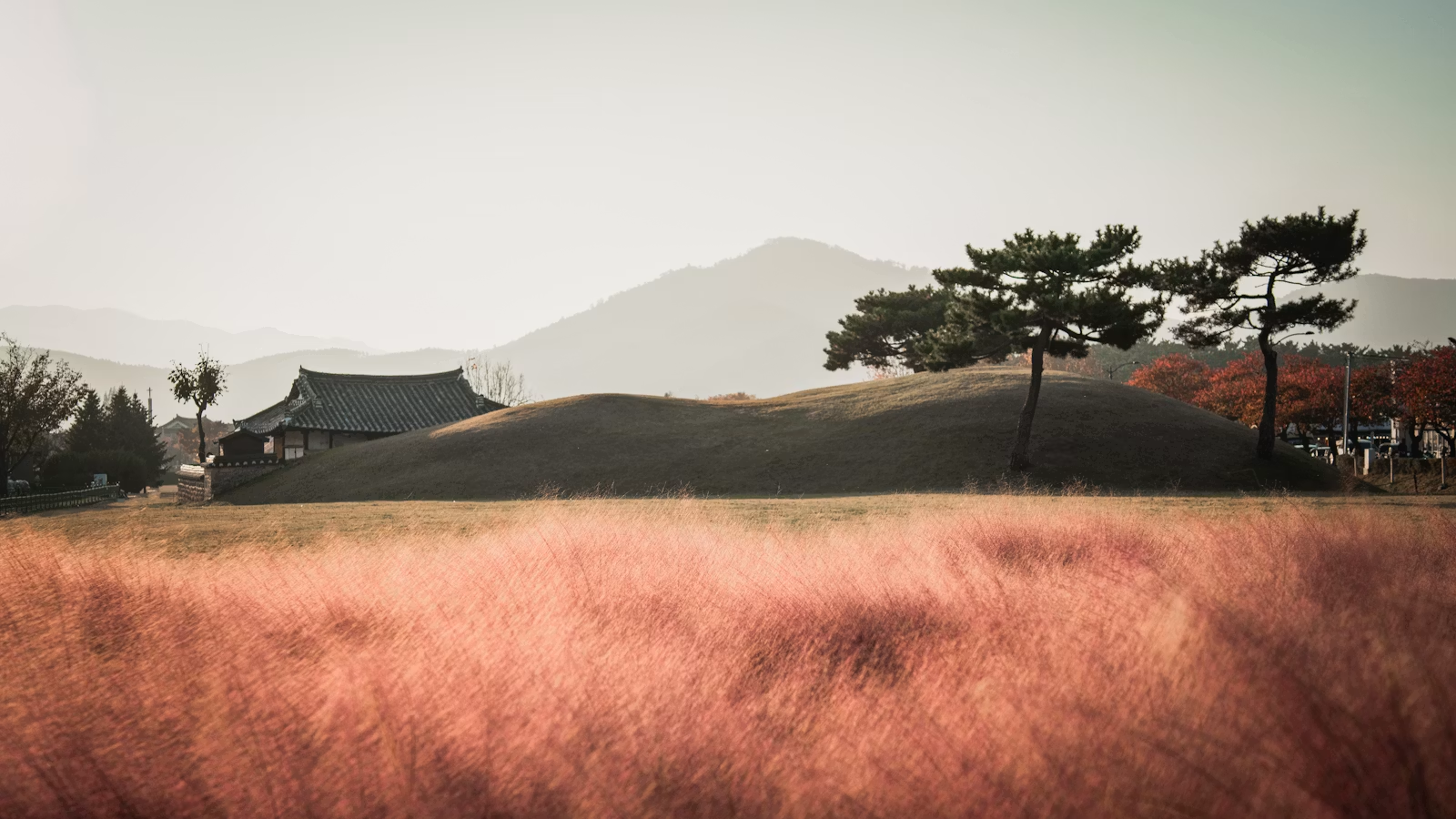
Scattered across a grassy park near the city center, Daereungwon contains over twenty large burial mounds belonging to Silla kings, queens, and nobles. Walking paths wind between the tombs, and the largest, Cheonmachong, is open to visitors with an interior exhibit showing artifacts recovered during excavation.
The sheer scale of these grass-covered mounds sitting in the middle of an ordinary city park is one of the most distinctive sights covered in this Gyeongju travel guide.
5. Donggung Palace and Wolji Pond
This former Silla-era palace complex is best known for its nighttime reflection in Wolji Pond, when the restored pavilions light up and mirror perfectly on the still water. It’s consistently ranked among the most beautiful night views in Korea, and easily one of the highlights of any Gyeongju travel guide.
Arriving around sunset lets you watch the lighting transition gradually, which tends to make for the most striking photos of the pavilions against the water.
6. Gyeongju National Museum
For a deeper understanding of everything else on this list, the Gyeongju National Museum houses thousands of artifacts recovered from royal tombs and temple sites across the region, including ornate gold crowns and Silla-era pottery. Admission is free, and exhibits are well organized by era and artifact type.
It’s a useful stop either at the start of your trip for context, or near the end to tie everything together.
7. Bomun Lake Resort Area
A short distance from the historic city center, Bomun Lake offers a more relaxed, resort-style atmosphere, with walking and cycling paths circling the water, plus hotels and restaurants clustered nearby. It’s a popular base for travelers who want easy access to both nature and convenient amenities.
Renting a bike to circle the lake is a relaxing way to spend a half-day between the more history-heavy stops in this Gyeongju travel guide.
How Many Days Do You Need in Gyeongju?
Two full days covers the major historic sites comfortably, Bulguksa, Seokguram, the tomb complex, and Donggung Palace at night, while three days lets you add the museum and Bomun Lake without feeling rushed.
Getting Around Gyeongju
Gyeongju is compact enough that many of its central attractions, like the tomb complex and Cheomseongdae, are walkable from each other. For sites further out, like Bulguksa and Seokguram, city buses run regularly, though renting a bike or booking a taxi is faster if you’re short on time.
Where to Stay in Gyeongju
Staying near the city center puts you within walking distance of Daereungwon and Cheomseongdae, ideal for a short visit focused on the historic core. Bomun Lake offers a quieter, more resort-like base with easy access to larger hotels, better suited to longer stays or families.
Choosing between the two really comes down to whether you’d rather walk to the major sights or unwind by the lake after a day of sightseeing, both work well within this Gyeongju travel guide.
Best Time to Visit Gyeongju
Spring brings cherry blossoms around the tomb complex and palace grounds, while autumn adds colorful foliage to the same historic backdrops. Both seasons offer mild, comfortable weather for walking between sites, making them the most popular times to visit.
Frequently Asked Questions
Is Gyeongju worth visiting if I’m short on time? Even a single day covers Bulguksa, Cheomseongdae, and Daereungwon comfortably, though two days lets you add Seokguram and the night view at Donggung Palace.
Can I visit Gyeongju as a day trip from Busan? Yes, it’s roughly an hour away by train or bus, making it a very manageable day trip, though staying overnight lets you catch the palace lit up at night.
Do I need a car in Gyeongju? It’s helpful but not essential, buses and bikes cover most of the major sites, and the historic core is largely walkable.
What’s the best season to visit Gyeongju? Spring and autumn are generally considered the best seasons, thanks to mild weather and seasonal scenery around the historic sites.
Final Thoughts
This Gyeongju travel guide only scratches the surface of a city built almost entirely around its own history, but these 7 spots capture why it’s earned a reputation as one of Korea’s most rewarding destinations for culture and scenery alike.
Give yourself at least two days, and don’t skip the night view at Donggung Palace.