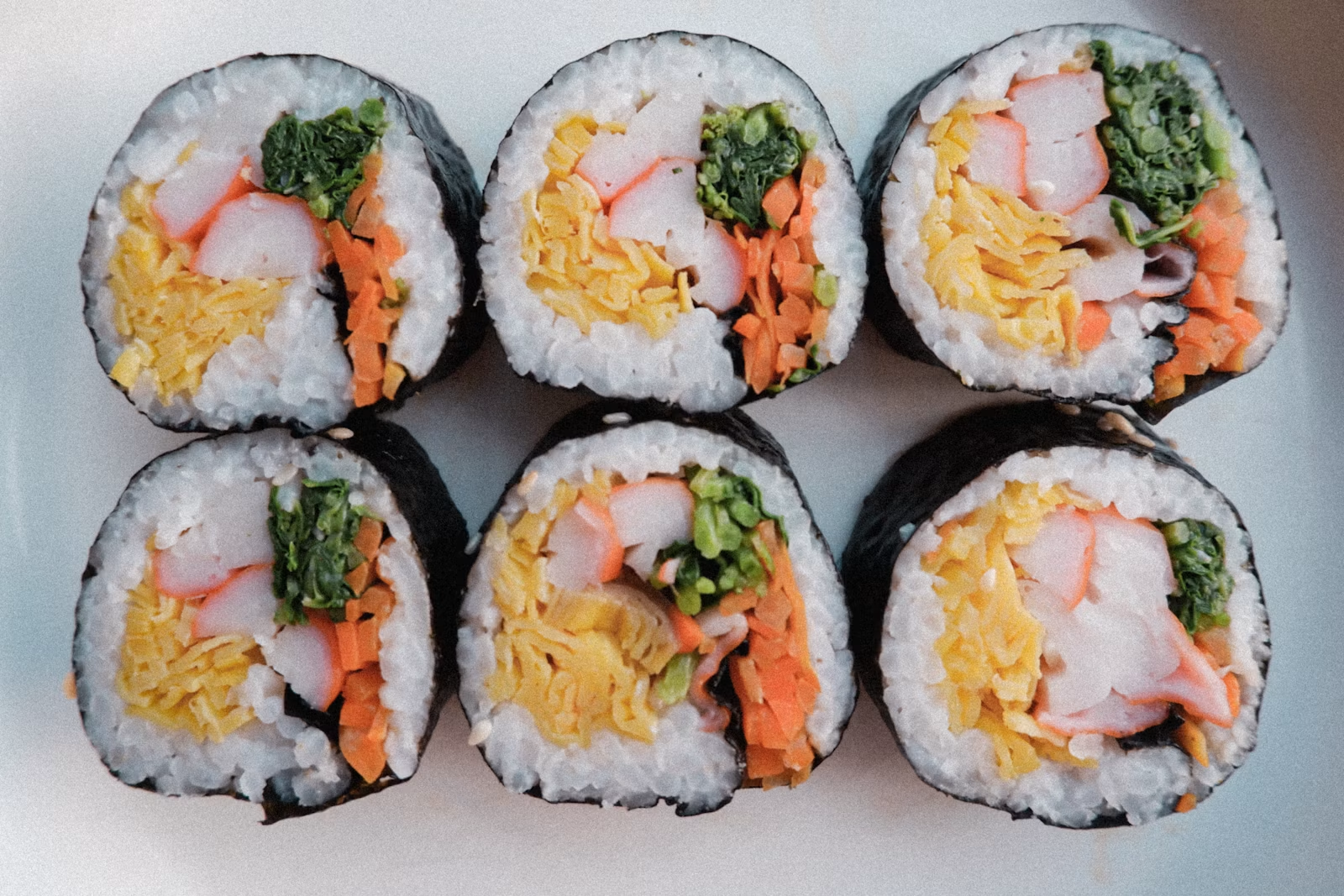
Gimbap — Korean seaweed rice rolls packed with seasoned rice, egg, vegetables, and protein — is one of the most universally eaten dishes in Korean home cooking and one of the most recognizable items in Korean street food culture. This gimbap recipe walks through the five steps that determine whether the result is a restaurant-quality roll or an unraveling, bland disappointment: correctly seasoning the rice, preparing each filling ingredient separately, assembling the layers in the right order, rolling with even pressure, and slicing cleanly. The rice seasoning and rolling technique are what separate a well-made gimbap recipe from a mediocre one.
Gimbap looks similar to Japanese sushi but differs fundamentally — it uses no vinegared rice, and the fillings are cooked rather than raw.
What You’ll Find in This Gimbap Recipe
- What Makes Gimbap Different from Sushi
- Ingredients You’ll Need
- How to Season the Rice
- How to Prepare the Fillings
- How to Roll and Slice
- Gimbap Variations
- Frequently Asked Questions
What Makes Gimbap Different from Sushi
A gimbap recipe uses short-grain white rice seasoned with sesame oil and salt — not rice vinegar — which gives the finished roll a nutty, savory aroma rather than the tangy profile of Japanese sushi. The fillings are always cooked or cured: egg omelet strips, seasoned spinach, pickled radish (danmuji), sautéed burdock root, imitation crab or bulgogi beef, and carrots sautéed briefly in oil. This combination of warm, savory, and pickled elements layered inside sesame-scented rice produces a flavor that is distinctly Korean.
Gimbap is also structurally firmer and more compact than Japanese rolls — the rolling technique seals the filling tightly inside the rice and seaweed, making it portable and easy to eat without falling apart.
Ingredients You’ll Need
For the rice (makes 4 rolls):
- 2 cups short-grain white rice, cooked and still warm
- 1.5 tablespoons sesame oil
- ½ teaspoon salt
- 1 teaspoon toasted sesame seeds
For the fillings:
- 4 sheets gim (dried seaweed / nori), full size
- 3 eggs, beaten and cooked as a thin omelet, then cut into long strips
- 150g spinach, blanched, squeezed completely dry, and seasoned with sesame oil, garlic, and salt
- 100g danmuji (yellow pickled radish), cut into long thin strips
- 100g burdock root (gobo), sautéed in soy sauce and sesame oil until glazed
- 2 medium carrots, julienned and sautéed in oil with a pinch of salt
- 150g imitation crab sticks or cooked bulgogi beef strips
Tools:
- Bamboo rolling mat (gimbap or sushi mat)
- Sharp knife
- Small bowl of water for sealing the roll’s edge
How to Season the Rice
Season the rice while it is still warm — cold rice does not absorb sesame oil and salt evenly and produces a drier, less flavorful roll. Transfer the cooked rice to a wide bowl, drizzle sesame oil over the surface, and sprinkle with salt and sesame seeds. Fold gently with a rice paddle, coating each grain without mashing. The seasoned rice should smell strongly of sesame and taste lightly salty on its own — it is the foundation of this gimbap recipe and the most important component to get right.
Cover with a clean towel to keep warm while you prepare the fillings.
How to Prepare the Fillings
Each filling in this gimbap recipe is cooked separately, and the key principle is minimal moisture. Wet fillings make the seaweed soggy from the inside and cause the roll to fall apart during slicing. Start with the burdock root and carrots, which take the longest, then cook the egg omelet, and finish with the spinach.
Egg: pour beaten egg into a lightly oiled pan over medium-low heat, cover, and cook until fully set. Cool completely before cutting into 1cm strips. Spinach: blanch for 30 seconds, transfer immediately to cold water, then squeeze out every drop of moisture before seasoning. Burdock root: sauté in a small pan with soy sauce, sugar, and sesame oil over medium heat until the liquid has fully evaporated and the root is glossy and dark.
How to Roll and Slice
Place a sheet of gim on the bamboo mat, shiny side down. Wet your hands lightly and spread an even, thin layer of seasoned rice over the seaweed, leaving a 2cm border at the far edge. Keep the rice layer around 5mm thick and spread it fully to the three near edges.
Arrange the fillings in a horizontal row across the center third of the rice: egg strip, spinach, danmuji, burdock root, carrot, and crab or beef. The key in this gimbap recipe is restraint — overfilling prevents the seaweed from sealing and causes cracking at the seam. Lift the near edge of the mat and roll the gimbap away from you, pressing firmly and evenly with both hands as you go. Seal the far edge with a dab of water and press gently. Brush the outside of each completed roll lightly with sesame oil before slicing.
Slice with a sharp, damp knife in one smooth downward motion per piece, wiping the blade between each cut. Cut into 1.5 to 2cm rounds.
Gimbap Variations
The base gimbap recipe above uses the classic full-size roll, but several widely eaten formats exist. Samgak gimbap is the triangular convenience store version — a single filling packed in rice and wrapped in a separate seaweed sheet, sold in individual plastic packaging. Mini gimbap (kkoma gimbap) uses a half-sheet of seaweed and fewer fillings to produce bite-sized rolls popular in children’s lunchboxes. Nude gimbap reverses the structure so the rice faces outward and the seaweed wraps the fillings inside — the same flavor profile with sesame seeds coating the exterior surface.
Each variation uses the same seasoned rice and rolling technique; the format and filling selection are what change.
Frequently Asked Questions
Can I prepare gimbap ahead of time? The rolls are best eaten within a few hours of rolling. Refrigerating hardens the rice and makes the seaweed rubbery. If making this gimbap recipe in advance, keep the finished rolls at room temperature for up to 4 hours rather than refrigerating. Brush the exterior with sesame oil to slow drying on the cut surfaces.
Why does my gimbap fall apart when I slice it? The two most common causes are overfilling and wet fillings. Overfilling prevents the seaweed from sealing at the edge; moisture from incompletely dried fillings softens the rice and creates gaps. Cool all components completely before rolling and use slightly less filling than you expect to need on your first attempt.
Can I substitute brown rice? Brown rice does not stick together as well as short-grain white rice and produces a looser, drier roll. It is possible, but the structural cohesion of the finished roll is noticeably reduced compared to one made with properly cooked short-grain white rice.
Final Thoughts
This gimbap recipe rewards the details that most versions skip: the rice temperature during seasoning, the moisture level of each filling, and consistent rolling pressure. Get those three things right and the result holds together cleanly, slices without crumbling, and tastes exactly like the gimbap found at Korean delis and street stalls.
Make a double batch — the rolls disappear faster than expected.