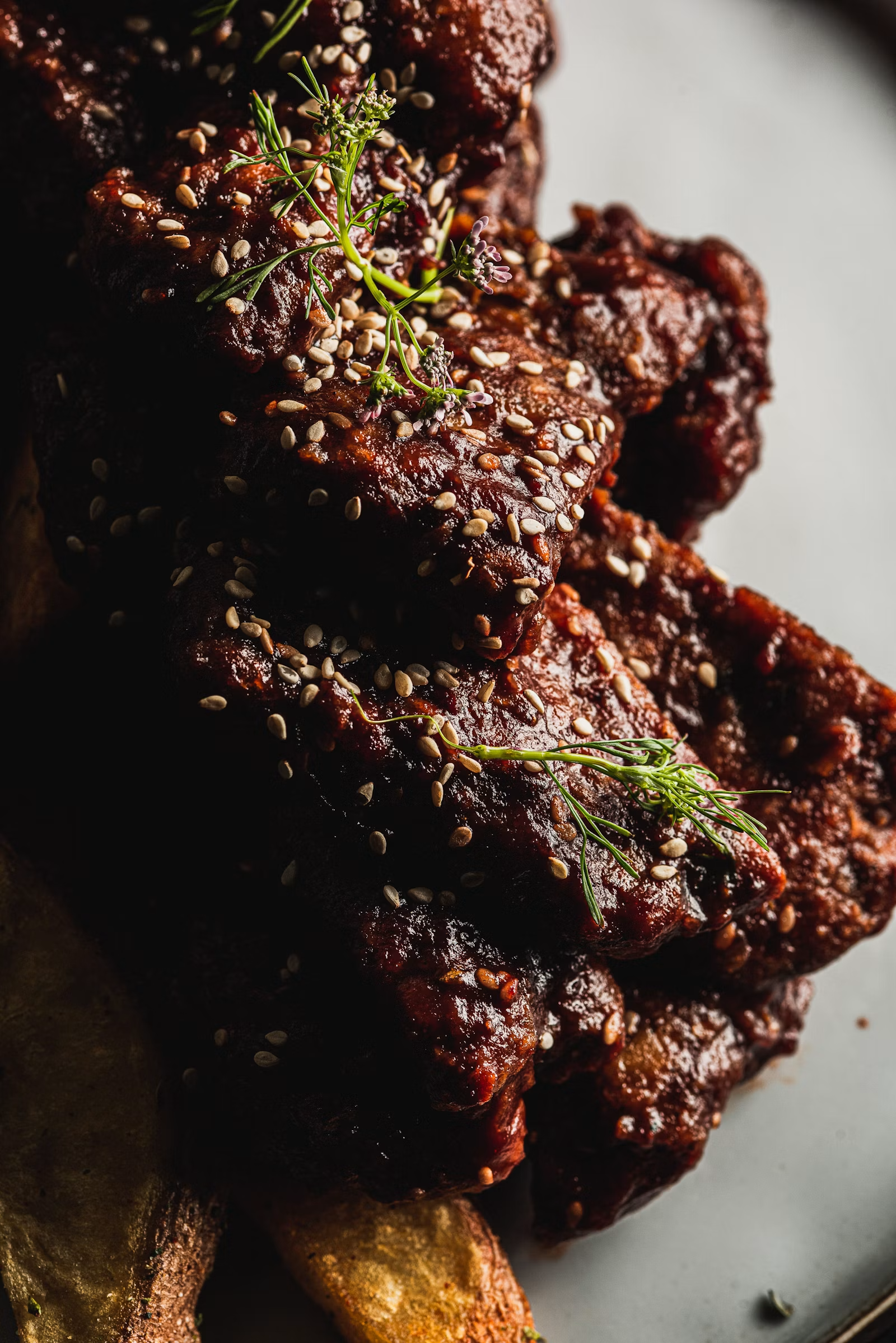
Galbi — Korean marinated beef short ribs — is one of the most iconic dishes in Korean BBQ, beloved for the combination of deeply savory soy sauce marinade, natural sweetness from Asian pear, and the caramelized char that develops over high heat. This galbi recipe covers everything you need: the marinade ratio, how to cut the ribs for maximum marinade penetration and even cooking, and the grilling method that produces the sticky, caramelized exterior the dish is known for. Galbi means “rib” in Korean, and the dish appears at nearly every major celebration — birthdays, Chuseok, and family gatherings — as a centerpiece.
Made at home with the right technique, it rivals anything from a Korean BBQ restaurant.
What You’ll Find in This Galbi Recipe
- What Makes Galbi Different from Bulgogi
- Ingredients You’ll Need
- How to Make the Marinade
- How to Prepare the Ribs
- How to Cook Galbi
- How to Serve
- LA Galbi vs. Traditional Cut
- Frequently Asked Questions
What Makes Galbi Different from Bulgogi
A well-executed galbi recipe produces ribs with a thick, sticky marinade glaze that has caramelized directly onto the bone-in meat — the bone adds richness during cooking that boneless bulgogi cannot replicate. The marinade shares the same core profile (soy sauce, sesame oil, garlic, pear, sugar) but the higher fat content of short rib meat and the bone-in cooking method produce a deeper, more complex result. While bulgogi is typically cooked quickly in thin slices, a galbi recipe works with thicker cuts that hold up to longer contact with the grill.
The key to great results is always the marinade balance and enough time for it to penetrate the meat fully.
Ingredients You’ll Need
For the ribs and marinade (2–3 servings):
- 800g (1.75 lb) beef short ribs, LA-style (flanken cut) or Korean-cut
- 4 tablespoons soy sauce
- 2 tablespoons sesame oil
- 2 tablespoons sugar or honey
- 3 tablespoons grated Asian pear or apple
- 1 tablespoon minced garlic
- 1 teaspoon minced fresh ginger
- 2 tablespoons mirin or rice wine
- 1 tablespoon neutral oil (for grilling)
- Ground black pepper to taste
- 2 green onions, finely sliced
- 1 tablespoon toasted sesame seeds
How to Make the Marinade
Combine the soy sauce, sesame oil, sugar, grated pear, garlic, ginger, and mirin in a bowl and mix until the sugar dissolves completely. The pear is the most important ingredient in a classic galbi recipe — it contains natural enzymes that tenderize the tough collagen in short rib meat, producing the characteristic tenderness that makes properly marinated galbi so different from plain grilled ribs.
Taste before adding the meat. The marinade should lead with a savory, salty note, balanced by clear sweetness and a forward garlic aroma. Add more pear or honey if the balance seems too salty; add more soy sauce if it needs depth.
How to Prepare the Ribs
Score the meat between and around the bones with a sharp knife — three or four shallow cuts across each piece — to allow the marinade to penetrate deeper into the muscle. If using Korean-cut galbi (bone-in thick slices), butterfly the meat by cutting along the bone in a spiral motion to create a thinner, wider piece that marinates and cooks more evenly.
Place the ribs in a single layer in a shallow dish and pour the marinade over them, turning to coat every surface. Cover and refrigerate for at least 4 hours. For the best results in this galbi recipe, marinate overnight — 8 to 12 hours is ideal. The pear enzymes need extended time to properly tenderize the denser short rib muscle fiber. Do not marinate longer than 24 hours, or the texture will become mealy.
How to Cook Galbi
Heat a charcoal grill, gas grill, or heavy cast iron pan to high heat. Shake any excess marinade off the ribs before placing them on the cooking surface — too much marinade on the surface causes flare-ups on a grill or excessive steaming on a pan. Cook LA-style flanken cut ribs for 2 to 3 minutes per side; Korean-cut butterflied ribs may need 4 to 5 minutes per side depending on thickness.
The sugars in the marinade caramelize quickly on high heat. Watch the ribs carefully — the window between perfectly caramelized and burned is narrow. For this galbi recipe, the goal is a deeply browned, slightly charred exterior with a tender, juicy interior that pulls cleanly away from the bone.
How to Serve
Transfer the cooked ribs to a cutting board and rest for 2 minutes before serving. Use kitchen scissors to cut the meat away from the bones into bite-sized pieces — scissors are the traditional tool at Korean BBQ tables and make portioning much easier than a knife.
Serve over a bowl of steamed short-grain rice with standard Korean side dishes: kimchi, pickled radish, seasoned spinach, and bean sprouts. The classic way to eat this galbi recipe is to wrap a piece of beef in a perilla leaf or lettuce with a small amount of ssamjang and eat it in one bite. Garnish with sliced green onion and sesame seeds.
LA Galbi vs. Traditional Cut
The most important variable in any galbi recipe is the cut. LA galbi (also called flanken cut) slices across the ribs bone and produces thin strips with three or four small bone cross-sections visible in each piece — these cook in 2 to 3 minutes per side and are the most popular format outside Korea because the cut is widely available at supermarkets. Traditional Korean-cut galbi slices along the bone and is butterflied into a thicker, wider piece — richer in flavor but requiring longer cooking.
Both cuts use the same marinade. Choose LA galbi for weeknight cooking; choose the traditional cut for a longer, more traditional BBQ experience.
Frequently Asked Questions
How long should I marinate a galbi recipe? At minimum, 4 hours — long enough for the pear enzymes to begin tenderizing and for the soy and aromatics to penetrate the surface. Overnight is the standard for this galbi recipe because the extra time produces noticeably more tender, deeply flavored meat. Never exceed 24 hours or the texture degrades.
Can I cook galbi in the oven? Yes. Broil on a rack at high heat (220°C / 430°F) for 5 to 7 minutes per side, watching closely for caramelization. The broiler replicates the high direct heat of a grill well enough to produce good results without outdoor equipment.
What can I substitute for Asian pear? Grated kiwi is the best substitute because it contains similar tenderizing enzymes. Grated apple works as a secondary option — less enzymatic but comparable in sweetness. Avoid skipping the fruit entirely; without it, the ribs remain noticeably tougher.
Final Thoughts
This galbi recipe brings one of Korea’s most celebrated BBQ dishes into a home kitchen with a straightforward method. The marinade takes minutes to prepare; the result after a proper overnight soak and a few minutes over high heat is a dish that earns its place at the center of any table.
Make it once and it becomes a regular — few dishes deliver this much flavor for the effort involved.