Doenjang jjigae is one of Korea’s oldest comfort foods, a rich and earthy stew made from fermented soybean paste simmered with tofu, zucchini, mushrooms, and anchovy broth. This doenjang jjigae recipe takes under 30 minutes start to finish and delivers a deeply savory result that pairs naturally with steamed rice and a few banchan side dishes.
It’s a dish that tastes slightly better the second day, which also makes it a practical choice for meal prep.
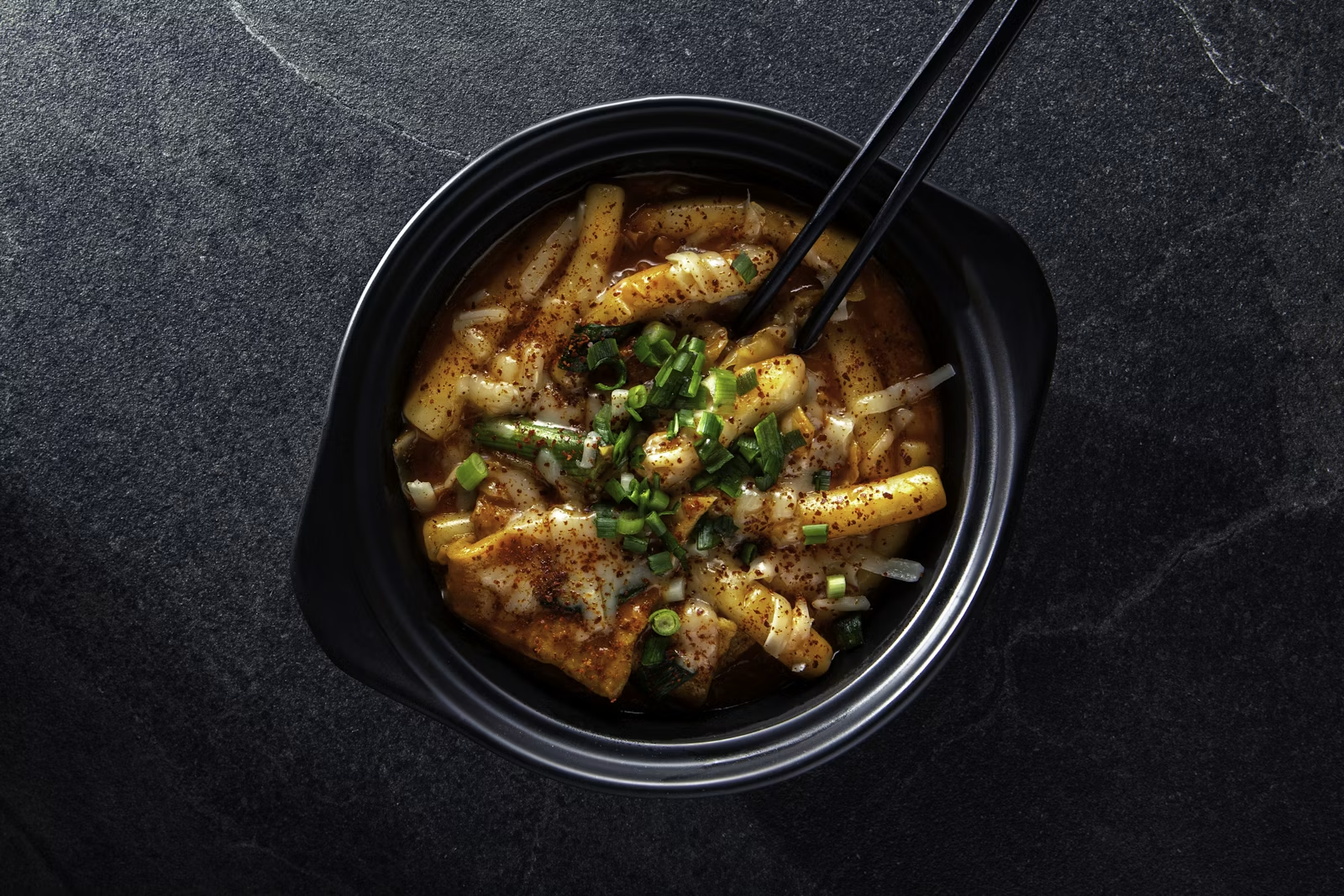
What You’ll Find in This Doenjang Jjigae Recipe
- What Is Doenjang
- Ingredients You’ll Need
- Step 1: Make the Anchovy Stock
- Step 2: Add the Doenjang Base
- Step 3: Add Vegetables and Tofu
- Step 4: Season and Serve
- Variations to Try
- Common Mistakes to Avoid
- What to Serve With This Stew
- Frequently Asked Questions
What Is Doenjang
Doenjang is a Korean fermented soybean paste with a stronger, earthier flavor than Japanese miso and a coarser, chunkier texture. It’s made by fermenting soybeans over several months to years, which develops the complex umami depth that forms the backbone of any doenjang jjigae recipe. Store-bought doenjang works perfectly for home cooking and is available at Korean grocery stores in tubs.
The fermentation also gives it probiotic properties, which is part of why this stew has remained a daily staple in Korean households for centuries.
Ingredients You’ll Need
For the anchovy stock:
- 4 cups cold water
- 10 to 15 dried anchovies (remove guts)
- 1 piece dried kelp (about 5 cm square)
For the stew:
- 3 tablespoons doenjang (Korean fermented soybean paste)
- 1 teaspoon gochugaru (Korean chili flakes, optional)
- 7 oz (200g) firm tofu, cut into 1-inch cubes
- 1 medium zucchini, sliced into half-moons
- 4 to 5 mushrooms (shiitake or oyster), sliced
- ½ onion, roughly chopped
- 3 cloves garlic, minced
- 2 scallions, sliced into rounds
- 1 teaspoon sesame oil
Firm tofu holds its shape better during simmering in this doenjang jjigae recipe, though silken tofu can be used if you prefer a softer, creamier texture throughout the stew.
Step 1: Make the Anchovy Stock
Add the dried anchovies and kelp to 4 cups of cold water in a medium pot. Bring to a gentle simmer over medium heat and cook for 10 minutes, then remove and discard the anchovies and kelp. The resulting broth will be lightly golden and subtly savory, providing the layered base that makes a proper doenjang jjigae recipe taste genuinely deep rather than flat.
Plain water can substitute if you’re short on time, but the anchovy stock noticeably improves the final result.
Step 2: Add the Doenjang Base
Add the doenjang directly to the simmering stock and stir to dissolve, then add the garlic, onion, and gochugaru if using. The paste will cloud the broth and the aroma will be pungent — this is completely normal, and the intensity softens considerably as it cooks.
Simmer the base for 3 to 4 minutes before adding other ingredients. This is also the moment to taste the broth, since the saltiness of doenjang varies by brand and each doenjang jjigae recipe can be adjusted here before the vegetables go in.
Step 3: Add Vegetables and Tofu
Add the zucchini and mushrooms first, as they take slightly longer to cook through. Simmer for 3 minutes, then gently add the tofu cubes. Avoid vigorous stirring once the tofu is in the pot, since it breaks apart easily. The vegetables should be just tender and the tofu warmed through after about 4 more minutes of simmering.
At this stage, the doenjang jjigae recipe will look and smell exactly as it should: a deeply colored, lightly bubbling stew with a rich, fermented aroma.
Step 4: Season and Serve
Taste and adjust seasoning, adding a small amount of additional doenjang or a pinch of salt if needed. Drizzle sesame oil over the surface, scatter the sliced scallions on top, and serve immediately. This doenjang jjigae recipe is traditionally served in the same pot it was cooked in, placed at the center of the table alongside individual bowls of steamed rice.
Variations to Try
- Seafood version: Substitute tofu with clams, shrimp, or small crab pieces for a coastal Korean variation that pairs especially well with the doenjang base.
- Extra mushroom: Using a mix of shiitake, oyster, and enoki mushrooms in generous quantities deepens the earthy character of the stew.
- Potato addition: Diced potato is used in many regional Korean households, adding a heartier texture and making this doenjang jjigae recipe more filling.
- Spicier variation: Double the gochugaru or add a tablespoon of gochujang alongside the doenjang paste.
Common Mistakes to Avoid
- Using miso as a substitute. Miso is milder and more refined, and the depth of a good doenjang jjigae recipe depends specifically on the stronger, coarser Korean paste.
- Adding too much doenjang upfront. It’s saltier than it appears; starting with less and tasting before adding more gives better control.
- Stirring vigorously after adding tofu. It crumbles easily and the texture of the final dish suffers.
- Skipping the anchovy stock. Ten minutes is all it takes and the difference in flavor depth is noticeable.
- Not letting the doenjang cook first. Simmering it in the stock for a few minutes before the vegetables go in mellows its sharp, raw edge significantly.
What to Serve With This Stew
This doenjang jjigae recipe is typically served as the main hot dish in a Korean meal, alongside steamed white rice, kimchi, and two or three small banchan. Pan-fried mackerel or a simple egg side dish also pair naturally with it.
Frequently Asked Questions
Can I make doenjang jjigae ahead of time? Yes, it reheats well and the flavor deepens overnight as the ingredients continue to meld. Store in the fridge for up to 3 days and add a splash of water when reheating since it thickens slightly.
Where do I buy doenjang? Korean grocery stores carry it in tubs in the condiment or refrigerated section. Some larger Asian supermarkets also stock it.
Is this doenjang jjigae recipe gluten-free? Traditional doenjang is made from soybeans and salt only, but some commercial brands add wheat. Check the label if gluten is a concern, and look for brands that list only soybeans, salt, and water.
Can I make it without dried anchovies? Yes, replacing the anchovy stock with kombu-only broth or plain water keeps this doenjang jjigae recipe vegetarian without losing too much depth, though the flavor will be slightly milder.
Final Thoughts
This doenjang jjigae recipe rewards its simplicity, the ingredient list is short, the process is forgiving, and the result tastes like something that cooked for far longer than it did. Once you’ve made it a few times, it becomes one of the easiest Korean dishes to put together on a weeknight.
Make the anchovy stock ahead and the whole stew comes together in under 20 minutes.