Dakgalbi is one of Korea’s most satisfying street dishes — a fiery, gochujang-based stir-fry of marinated chicken, chewy rice cakes, cabbage, sweet potato, and green onion, all cooked together in a large flat pan until the sauce caramelizes around every piece. This dakgalbi recipe walks through everything that makes the dish work: the marinade balance, the order of cooking, and the variables that take it from a pile of ingredients to the cohesive, deeply spiced result that Chuncheon city made famous. The name means “spicy chicken” in Korean, and the city of Chuncheon in Gangwon Province is so closely associated with it that its main street is called Dakgalbi Street.
Cooked in a single pan and served family-style, it is one of the most communal dishes in Korean food culture.
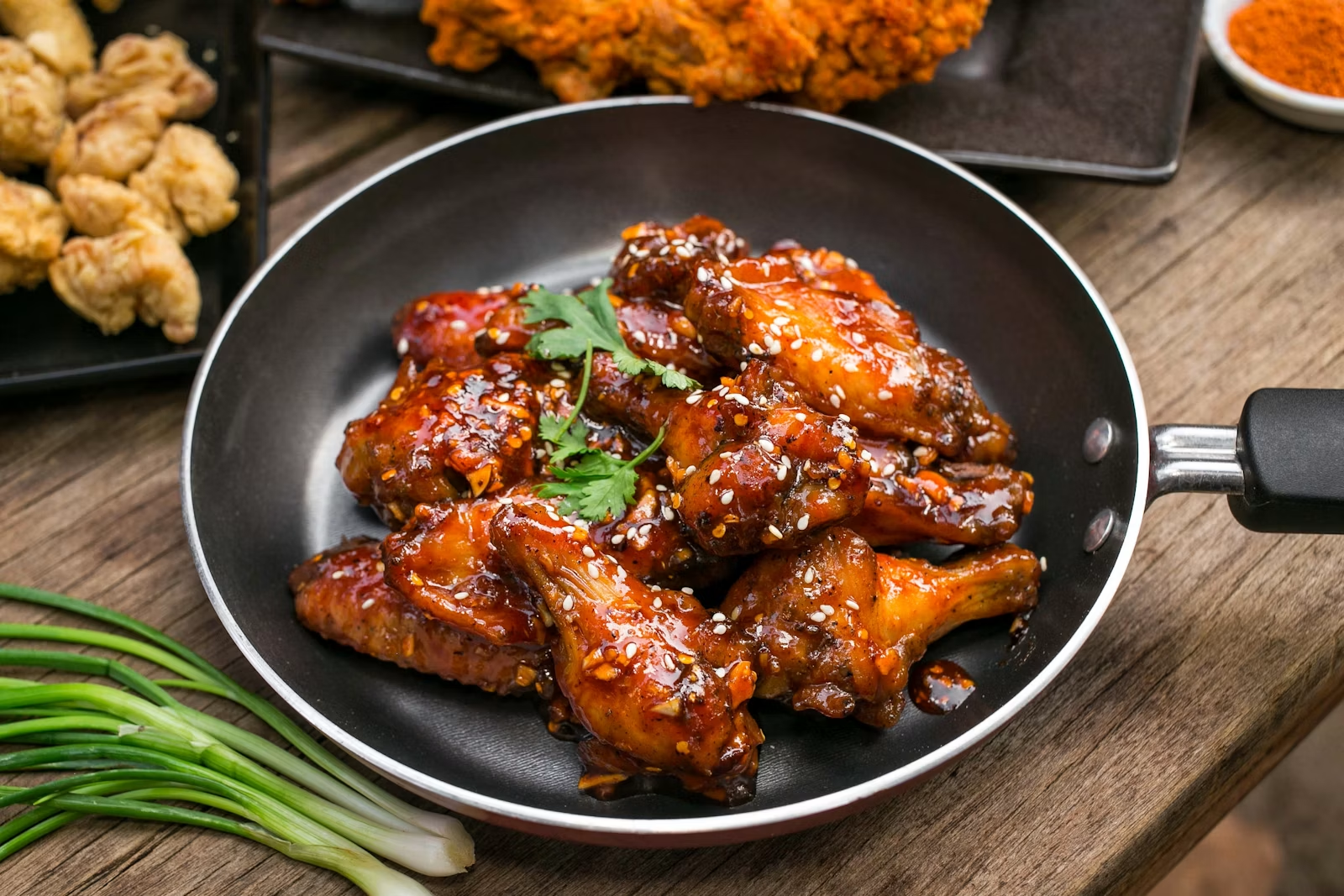
What You’ll Find in This Dakgalbi Recipe
- What Makes Dakgalbi Unique
- Ingredients You’ll Need
- How to Make the Marinade
- How to Prepare the Chicken and Vegetables
- How to Cook It
- How to Serve
- Fried Rice Finish
- Frequently Asked Questions
What Makes Dakgalbi Unique
A well-executed dakgalbi recipe produces chicken and vegetables coated in a thick, sticky gochujang glaze that intensifies as it hits the pan. What sets the dish apart from other Korean stir-fries is the specific combination cooked together in that glaze: the rice cakes absorb the sauce as they soften, the sweet potato adds a natural sweetness that balances the gochujang heat, and the cabbage wilts into the pan to add both volume and mild bitterness.
Three things define any great dakgalbi recipe: a well-balanced gochujang marinade, the right order for adding ingredients, and enough heat to properly caramelize the sauce.
Ingredients You’ll Need
For the chicken and marinade (2–3 servings):
- 400g (14 oz) boneless chicken thighs, cut into bite-sized pieces
- 3 tablespoons gochujang (Korean red pepper paste)
- 1 tablespoon soy sauce
- 1 tablespoon sesame oil
- 1 tablespoon sugar or honey
- 1 tablespoon minced garlic
- 1 teaspoon minced fresh ginger
- 1 tablespoon rice wine or mirin
For the vegetables:
- 200g tteok (cylindrical rice cakes)
- 150g napa cabbage, roughly chopped
- 1 small sweet potato, thinly sliced
- 3 green onions, cut into 5cm pieces
- ½ medium onion, sliced
- Toasted sesame seeds for garnish
How to Make the Marinade
Combine the gochujang, soy sauce, sesame oil, sugar, garlic, ginger, and rice wine in a bowl and mix until smooth. The gochujang is the backbone of every dakgalbi recipe — it provides heat, a subtle sweetness, and the deep red color the finished dish is known for. Taste before adding the chicken. The marinade should have forward heat with sweetness underneath; add more sugar if it seems too sharp.
How to Prepare the Chicken and Vegetables
Cut the chicken thighs into pieces roughly 3 to 4 cm wide. Add to the marinade and toss to coat every surface. Let it rest for at least 20 minutes at room temperature, or up to 3 hours refrigerated.
While the chicken marinates, slice the sweet potato thinly — about 5mm — so it cooks through at the same rate as the chicken. Soak the tteok in cold water for 20 minutes if refrigerated or frozen, which loosens them and prevents sticking in the pan.
How to Cook It
Heat a large skillet or flat pan over medium-high heat with a thin film of neutral oil. Add the sweet potato and onion first — they need the most cooking time. After 3 to 4 minutes, add the marinated chicken and tteok. Stir everything together and cook for 5 to 6 minutes, stirring frequently to prevent the gochujang from scorching on the pan surface.
Add the cabbage and green onion and continue for another 3 to 4 minutes until the chicken is cooked through, the tteok are soft and chewy, and the sauce has reduced into a sticky, caramelized glaze coating every component. This is the moment this dakgalbi recipe delivers at its best — the glaze is thick, aromatic, and clings to everything in the pan.
How to Serve
Serve directly from the pan with steamed short-grain rice and Korean side dishes — kimchi, pickled radish, and seasoned bean sprouts all work well alongside the spicy main. The dish is typically eaten with rice, or wrapped in lettuce leaves with a spoonful of rice. Garnish with toasted sesame seeds before bringing to the table.
Fried Rice Finish
The best tradition around any dakgalbi recipe is what happens after the main dish is eaten. Once the chicken and vegetables are mostly gone, add a bowl of cooked rice directly into the pan with the remaining sauce. Stir the rice into the leftover glaze over medium heat for 2 to 3 minutes, pressing it lightly against the pan to develop a crispy bottom. This finish — called bokkeum-bap — is the most anticipated part of a dakgalbi recipe meal for many Korean families. Add torn dried seaweed sheets, stir once more, and serve straight from the pan.
Frequently Asked Questions
Can I use chicken breast in a dakgalbi recipe? Thighs are strongly preferred because their fat content keeps them moist through high-heat stir-frying. Breast meat works but tends to dry out quickly. If using breast, cut pieces smaller and reduce cooking time by 1 to 2 minutes.
How spicy is a typical dakgalbi recipe? At the proportions in this dakgalbi recipe, the heat level is moderate — noticeable but not overwhelming. Reduce gochujang to 2 tablespoons for a milder version. For extra heat, add 1 tablespoon of gochugaru (Korean red pepper flakes) without changing anything else.
Where can I find tteok outside Korea? Most Korean grocery stores carry cylindrical tteok in the refrigerated or frozen section. Asian supermarkets also stock them. If unavailable, thick udon noodles are a workable substitute for texture, though they absorb the sauce differently.
Final Thoughts
This dakgalbi recipe brings one of Chuncheon’s most celebrated street dishes into a home kitchen with a clear, repeatable method. The key is the gochujang marinade balance, the sequence in which ingredients enter the pan, and giving the sauce time to properly caramelize in the final minutes.
Make the fried rice finish at the end — it turns a good meal into a great one.