If you’ve ever stared at a sad desk salad and wished it had more, well, everything, bibimbap is about to become your new obsession. This authentic bibimbap recipe turns a pile of vegetables, rice, and a fried egg into one of the most satisfying bowls in Korean cooking.
It looks impressive. It photographs beautifully. And it’s a lot more forgiving to make than you’d think. Follow this authentic bibimbap recipe once, and you’ll have the method memorized for life.
What You’ll Find in This Authentic Bibimbap Recipe
- What Is Bibimbap, Exactly?
- Ingredients You’ll Need
- Step-by-Step: How to Make Bibimbap
- Tips for the Best Authentic Bibimbap
- Why This Recipe Works
- Common Mistakes to Avoid
- Storage and Meal Prep Tips
- Vegetarian and Vegan Variations
- Frequently Asked Questions
What Is Bibimbap, Exactly?
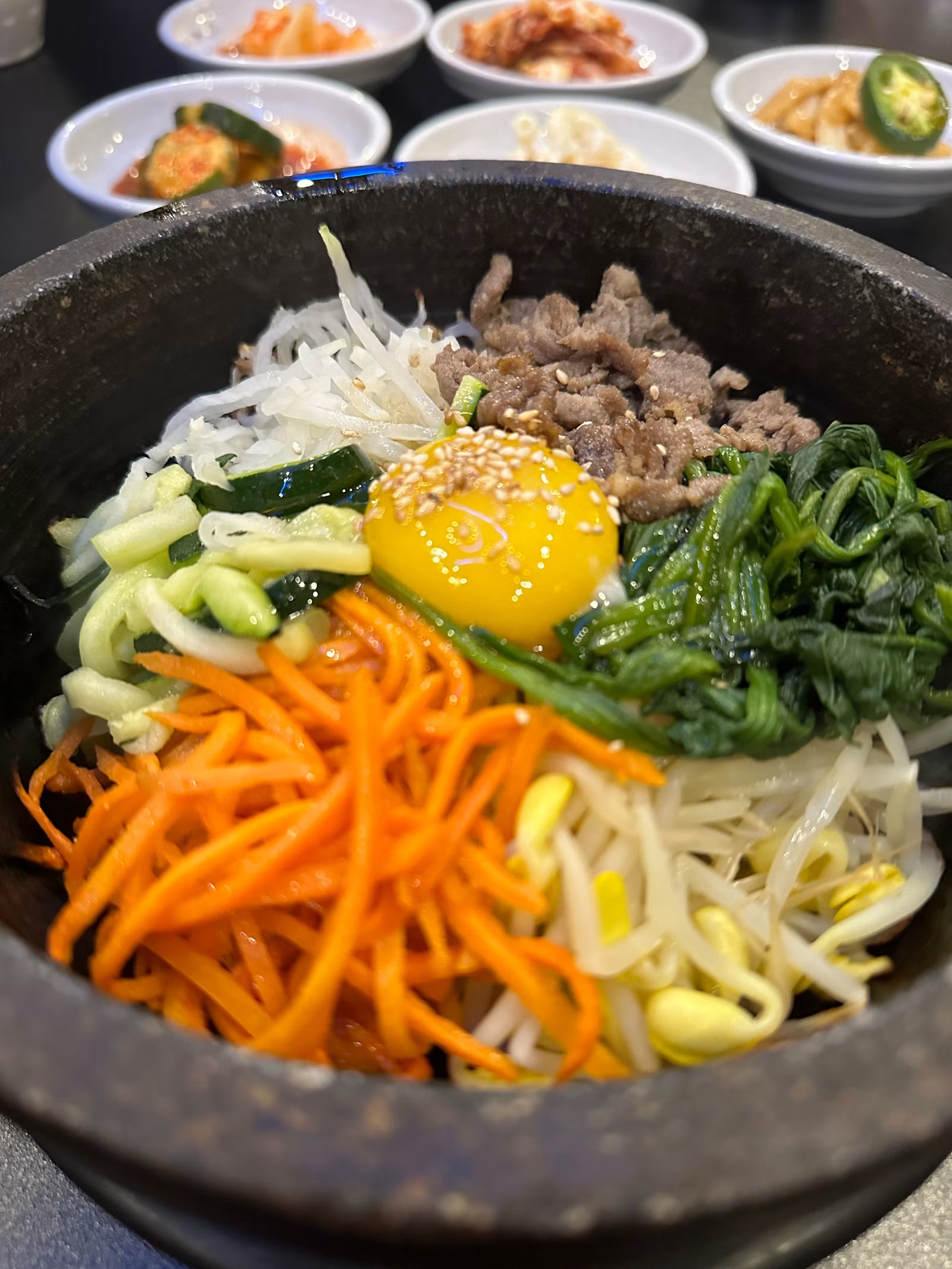
Bibimbap literally means “mixed rice.” The name is the whole concept: warm rice topped with an array of seasoned vegetables, marinated beef, a glossy fried egg, and a spoonful of gochujang sauce, all stirred together right before you eat.
Every component gets seasoned and cooked separately, which is what gives this authentic bibimbap recipe its signature layered flavor. You taste the sesame oil first, then the gochujang heat, then the cool crunch of fresh vegetables underneath. It’s chaos in the best possible way.
This dish has been a staple of Korean home cooking for generations, and it’s having a serious moment globally right now thanks to its colorful presentation and genuinely balanced nutrition.
Ingredients You’ll Need
You don’t need anything exotic to make a proper authentic bibimbap recipe at home. Most of these ingredients are available at any well-stocked grocery store, and the rest are an easy Asian market run.
For the rice:
- 2 cups short-grain white rice, cooked
For the beef (bulgogi-style):
- 8 oz thinly sliced ribeye or sirloin
- 2 tbsp soy sauce
- 1 tbsp sesame oil
- 1 tbsp brown sugar
- 1 clove garlic, minced
For the vegetables:
- 1 cup spinach, blanched
- 1 cup julienned carrots
- 1 cup julienned zucchini
- 1 cup bean sprouts, blanched
- 4-6 shiitake mushrooms, sliced
- 1 cup kimchi (store-bought is totally fine)
For the eggs:
- 4 eggs, fried sunny-side up with a runny yolk
For the bibimbap sauce:
- 3 tbsp gochujang (Korean chili paste)
- 1 tbsp sesame oil
- 1 tbsp rice vinegar
- 1 tsp sugar
- 1 tsp sesame seeds
Step-by-Step: How to Make Bibimbap
This authentic bibimbap recipe breaks down into six simple steps. None of them are hard, they just need to happen in the right order.
Step 1: Cook the Rice
Start your rice first since it takes the longest. Short-grain rice is non-negotiable here. It’s stickier than long-grain varieties, which helps everything cling together once you start mixing.
Step 2: Marinate and Cook the Beef
Toss your sliced beef with soy sauce, sesame oil, brown sugar, and garlic. Let it sit for 15 minutes while you prep vegetables, then sear it in a hot pan for 2-3 minutes until just cooked through.
Step 3: Prep Each Vegetable Separately
This is the step people skip, and it’s the one that actually makes this authentic bibimbap recipe taste like the real thing. Sauté your carrots, zucchini, and mushrooms individually in a touch of sesame oil with a pinch of salt.
Blanch the spinach and bean sprouts separately too, then squeeze out excess water and season each with a little sesame oil, garlic, and salt. Keeping every vegetable in its own little pile, instead of mixing them all in one pan, is what gives this Korean rice bowl its distinct texture and color in every bite.
Step 4: Fry Your Eggs
Fry the eggs sunny-side up. A slightly runny yolk is the whole point here. Once you mix everything together, that yolk becomes a rich, silky sauce that ties the whole bowl together.
Step 5: Make the Bibimbap Sauce
Whisk together gochujang, sesame oil, rice vinegar, sugar, and sesame seeds. Taste and adjust. Some people like it spicier, some like it sweeter; this is the part of the recipe where you make it yours.
Step 6: Assemble the Bowl
Add a generous scoop of rice to a bowl. Arrange your vegetables, beef, and kimchi around the rice in separate sections, then top everything with a fried egg in the center. Drizzle with your bibimbap sauce, and your authentic bibimbap recipe is ready to eat.
Tips for the Best Authentic Bibimbap
- Use a hot stone bowl if you have one. A dolsot (heated stone bowl) crisps the bottom layer of rice into a crunchy, almost popcorn-like texture that’s genuinely addictive.
- Don’t overcook the vegetables. You want each one to keep its own texture and bite, not turn mushy.
- Mix thoroughly before eating. The magic of an authentic bibimbap recipe happens when you actually stir everything together, so don’t be shy about it.
- Customize the protein. Tofu, chicken, or even just extra mushrooms work great if you want a vegetarian version.
Why This Authentic Bibimbap Recipe Works
The real secret to this authentic bibimbap recipe isn’t a rare ingredient, it’s the discipline of seasoning every component on its own. That extra five minutes of effort per vegetable is what separates a forgettable rice bowl from one that tastes like it came straight from a restaurant in Seoul.
It’s also endlessly adaptable. Swap proteins, change up vegetables based on what’s in your fridge, and adjust the sauce heat to your taste. Once you’ve got the method down, you’ll find yourself making this authentic bibimbap recipe on a weekly rotation.
Common Mistakes to Avoid
Even a simple Korean rice bowl can go wrong in a few predictable ways. Here’s what trips people up most often when attempting an authentic bibimbap recipe at home.
- Cooking all the vegetables together in one pan. It’s tempting to save time, but this muddies the flavors and turns everything the same texture. Keep them separate, even if it means a few extra minutes and dishes.
- Skipping the sesame oil. This ingredient does a lot of heavy lifting in Korean cooking. Without it, your bibimbap will taste flat no matter how good your other seasonings are.
- Overcrowding the rice. Bibimbap should have enough rice to balance out the toppings, not get buried underneath them. Aim for a roughly even ratio of rice to vegetables and protein.
- Using day-old cold rice straight from the fridge. Warm rice mixes better with the sauce and toppings. If you’re using leftover rice, reheat it with a splash of water before assembling your bowl.
Storage and Meal Prep Tips
Bibimbap components actually store really well separately, which makes this authentic bibimbap recipe a great meal-prep option for busy weeks. Keep your cooked vegetables, marinated beef, and rice in individual containers in the fridge for up to four days.
Fry your egg fresh each time you eat, since a pre-cooked egg loses that signature runny yolk. Warm the rice and vegetables briefly before assembling, then add your sauce and egg right before eating.
This makes an authentic bibimbap recipe surprisingly practical for weekday lunches, not just a weekend cooking project.
Vegetarian and Vegan Variations
Swapping the beef for crispy pan-fried tofu or extra mushrooms keeps all the textural contrast that makes this authentic bibimbap recipe work, without losing any of the flavor layering. For a fully vegan version, skip the egg or replace it with a few extra slices of avocado for that same rich, creamy element.
The gochujang sauce is naturally vegetarian, though double-check the brand if you’re strictly vegan, since a few varieties include fish-based ingredients.
Frequently Asked Questions
Is this authentic bibimbap recipe healthy? Yes. A traditional bowl balances lean protein, fiber-rich vegetables, and complex carbohydrates, making it one of the more nutritionally complete single-bowl meals in Korean cuisine.
Can I make bibimbap without gochujang? You can substitute a mix of soy sauce, a little chili flake, and a touch of honey, but the flavor won’t be quite as authentic. Gochujang is worth seeking out if you plan on making this authentic bibimbap recipe regularly.
What’s the best rice for bibimbap? Short-grain white rice is traditional and gives you the sticky texture that holds the dish together once mixed.
Final Thoughts
Bibimbap proves that a meal can be both healthy and deeply satisfying at the same time. Once you’ve nailed this authentic bibimbap recipe, you’ll understand exactly why it’s one of Korea’s most beloved exports.
Give it a try this week, and don’t skip the runny egg. Trust the process.