Sokcho is a small coastal city in Gangwon Province that punches far above its size as a travel destination — it sits at the entrance to Seoraksan National Park, one of Korea’s most spectacular mountain landscapes, while also facing the East Sea with a working fishing port, a fresh seafood market, and a neighborhood story tied directly to the Korean War. This Sokcho travel guide focuses on the six things that make visiting the city rewarding: how to get here, what to do in the mountains, where to eat, and how the city’s compact layout lets you experience mountains and coast within the same trip. It is one of the few places in Korea where you can hike past granite peaks in the morning and eat raw seafood by the ocean that same evening.
This Sokcho travel guide destination remains relatively off the international tourist radar, which means shorter lines and a more local atmosphere than many comparable Korean destinations.
What You’ll Find in This Sokcho Travel Guide
- How to Get to Sokcho
- Seoraksan National Park
- Abai Village and the Old Town
- What to Eat in Sokcho
- Best Time to Visit
- Day Trips from Sokcho
- Frequently Asked Questions
1. How to Get to Sokcho
No direct KTX line serves Sokcho, which means this Sokcho travel guide destination takes slightly more planning to reach than Gangneung or other East Sea cities. The most common option is the express bus from Seoul’s Dong Seoul Bus Terminal or East Seoul Terminal, which reaches Sokcho in approximately 2.5 to 3 hours depending on traffic. Buses run frequently and tickets are inexpensive; the journey is comfortable and scenic once the road enters Gangwon Province.
Driving from Seoul takes about 2.5 hours via the Seoul-Yangyang Expressway, which opened in 2017 and significantly reduced travel time. A car gives flexibility for reaching the national park trailheads and the coastal areas north of the city. From Gangneung, Sokcho is about 60 kilometers north by expressway — easily combined into the same Gangwon Province itinerary.
2. Seoraksan National Park
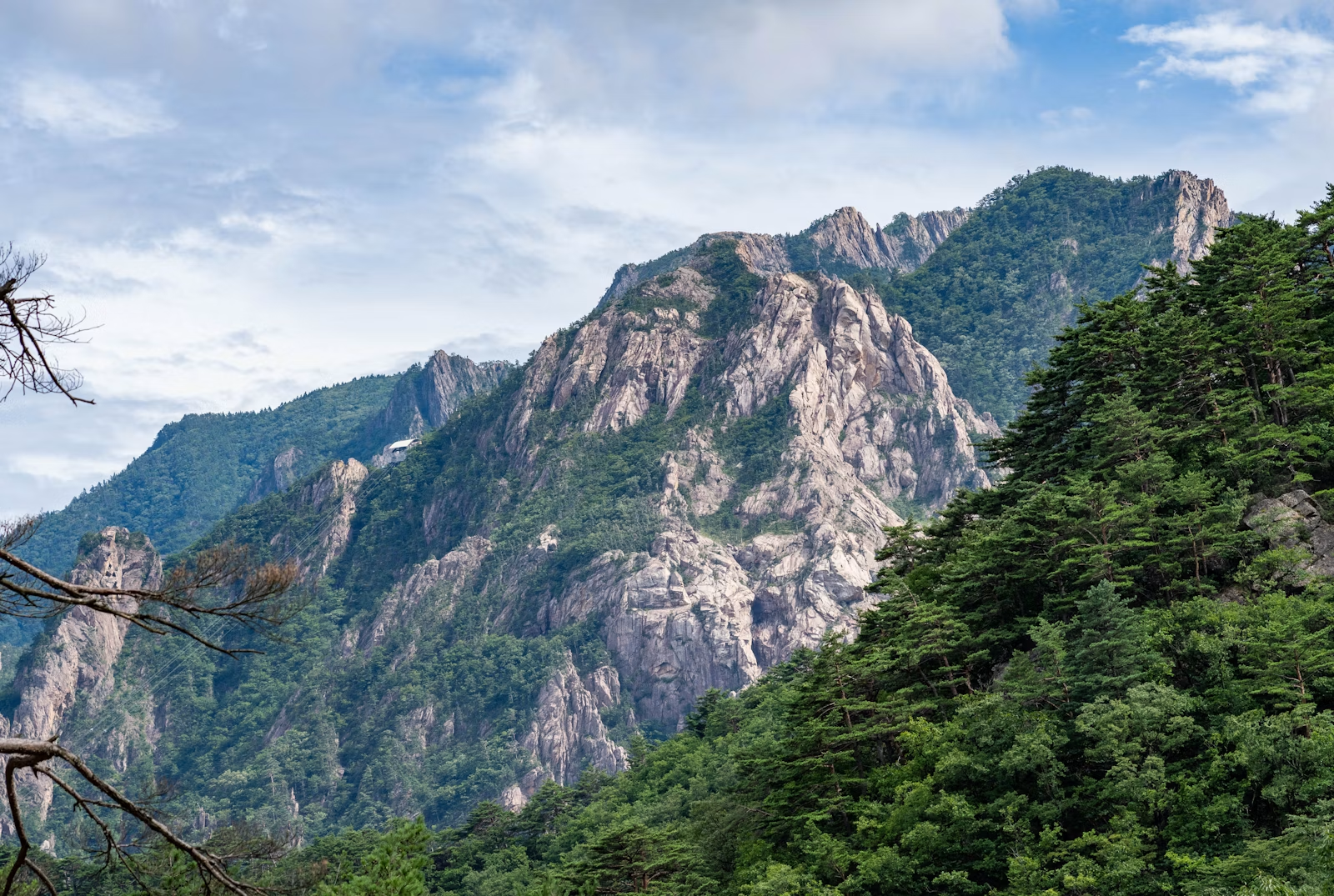
Seoraksan is the centerpiece attraction in any Sokcho travel guide — a national park covering over 160 square kilometers of jagged granite peaks, deep valleys, dense forests, and alpine terrain that shifts dramatically with each season. The park entrance at Outer Seoraksan (Oeseorak) is located about 10 kilometers from downtown Sokcho and is reachable by local bus in under 20 minutes.
The cable car (Seorak Cable Car) runs from the base area to Gwongeumseong Fortress, a high rocky ridge with views of the surrounding peaks that require no hiking beyond the cable car ride itself — an accessible option for visitors of any fitness level. For those who prefer to hike, the trails to Biryong Falls (about 2.5 km), Yukdam Falls, and the Ulsanbawi Rock formation (about 6 km round trip with significant vertical gain) are the most visited routes in Outer Seoraksan. The Ulsanbawi trail rewards the climb with panoramic views from a series of large granite boulders at the top.
No Sokcho travel guide is complete without noting that autumn (October to November) is peak season at Seoraksan — the fall foliage here is among the most vibrant in Korea, and the park draws visitors from across the country specifically for the color.
3. Abai Village and the Old Town
Abai Village is one of the most historically distinctive neighborhoods in this Sokcho travel guide — a small community built by North Korean refugees who crossed the border during and after the Korean War and settled on the narrow sandbar that separates Cheongcho Lake from the East Sea. The village became famous across Korea through the 2004 television drama “Autumn in My Heart” filmed here, but its real character comes from the community’s history and the traditional foods its residents brought from the north.
The village is accessed from the main city side by a hand-pulled rope ferry across a narrow channel — a short but memorable crossing that has become a signature experience of any visit to Sokcho. On the village side, the main street is lined with restaurants and small shops selling ojingeo-sundae (squid stuffed with rice and vegetables) and abai-sundae (a large, savory blood sausage from the Hamgyeong Province tradition) — two regional specialties that distinguish Sokcho’s food culture from other Korean coastal cities.
4. What to Eat in Sokcho
The food dimension of this Sokcho travel guide is built on proximity to the sea and the culinary traditions that arrived with its refugee community. Fresh squid is the most iconic ingredient — raw squid served at the Sokcho Tourist Fish Market is pulled from the East Sea the same day, and the city’s restaurants prepare it in more ways than most Korean coastal cities: raw, grilled, dried, stuffed, and in ganjang (soy sauce) marinade.
Any thorough Sokcho travel guide also covers the city’s dakgangjeong (crispy fried chicken glazed in sweet and spicy sauce), which originated here and became a nationally recognized local specialty. The Sokcho Tourist Fish Market along the harbor is the best starting point for food exploration — vendors prepare fresh seafood to eat immediately, including raw oysters, sea urchin, grilled scallops, and the various squid preparations the city is famous for.
The convenience stores and small cafes around the Cheongcho Lake area offer another local staple: corn ice cream and egg bread (gyeran-ppang) that have become associated with the Sokcho coastal experience.
5. Best Time to Visit
Autumn (late September to November) is the most rewarding season in any Sokcho travel guide — the fall foliage at Seoraksan peaks in mid-October, the weather is crisp and clear, and the hiking conditions are ideal. Sokcho’s Seoraksan Damo Culture Festival takes place in October and coincides with the best color in the park.
Spring (April to May) offers comfortable hiking weather, flowering azaleas on the mountain trails, and significantly fewer visitors than autumn. Summer is the beach season, with the coastal areas and Sokcho Beach drawing swimmers and water sports enthusiasts from across the region — but the park can be crowded and hot below the treeline. Winter brings snow to the higher elevations of Seoraksan, creating extraordinary scenery for those willing to hike in cold conditions. The frozen waterfalls and snow-covered granite formations in January and February are among the most dramatic sights in Korean winter hiking.
6. Day Trips from Sokcho
Gangneung, 60 kilometers south, is the most natural day trip or route extension from this Sokcho travel guide destination — the two cities are often combined into a single Gangwon Province itinerary. Gangneung adds Gyeongpo Beach, the coffee street, and the Chodang tofu district to a broader East Sea trip.
Naksansa Temple, about 20 minutes south of Sokcho by car, is one of Korea’s most dramatically situated Buddhist temples — perched on a cliff above the East Sea with sweeping views of the ocean from the temple grounds. The seven-story pagoda and the Uisangdae Pavilion overlooking the sea are the most photographed elements of the complex. Yangyang County, between Sokcho and Gangneung, has developed a craft beer and surfing culture in recent years that makes the coastal highway between the two cities worth exploring slowly.
Frequently Asked Questions
How many days should I spend in this Sokcho travel guide destination? Two days is the standard recommendation — one day for Seoraksan National Park (cable car plus one or two trails), one day for Abai Village, the fish market, Cheongcho Lake, and the coastal areas. One day is possible but rushed. Three days allows for a proper hiking day in the park plus a relaxed day in the city.
Is Sokcho easy to navigate without a car? Yes — local buses connect downtown Sokcho to the Seoraksan entrance, the fish market, and Abai Village. Taxis are inexpensive for point-to-point travel. A car gives flexibility for the coastal areas north of the city and for reaching the inner Seoraksan trails, but is not essential for a standard visit.
What is the entry fee for Seoraksan? Seoraksan National Park charges a cultural heritage entrance fee. The cable car operates separately with its own fee. Current rates are best confirmed at the entrance booth, as they adjust periodically. The hiking trails themselves are generally free after paying the cultural heritage fee at the main entrance.
Final Thoughts
This Sokcho travel guide makes the case for treating the city as more than a gateway to Seoraksan. The mountain scenery, the Abai Village food culture, the East Sea seafood, and the compact layout combine into a complete travel experience that rewards a proper two-day visit.
Take the express bus from Seoul, arrive in time for sunset at the fish market, spend a full day in the national park, and leave having covered both the best mountains and the best seafood the East Sea coast has to offer.