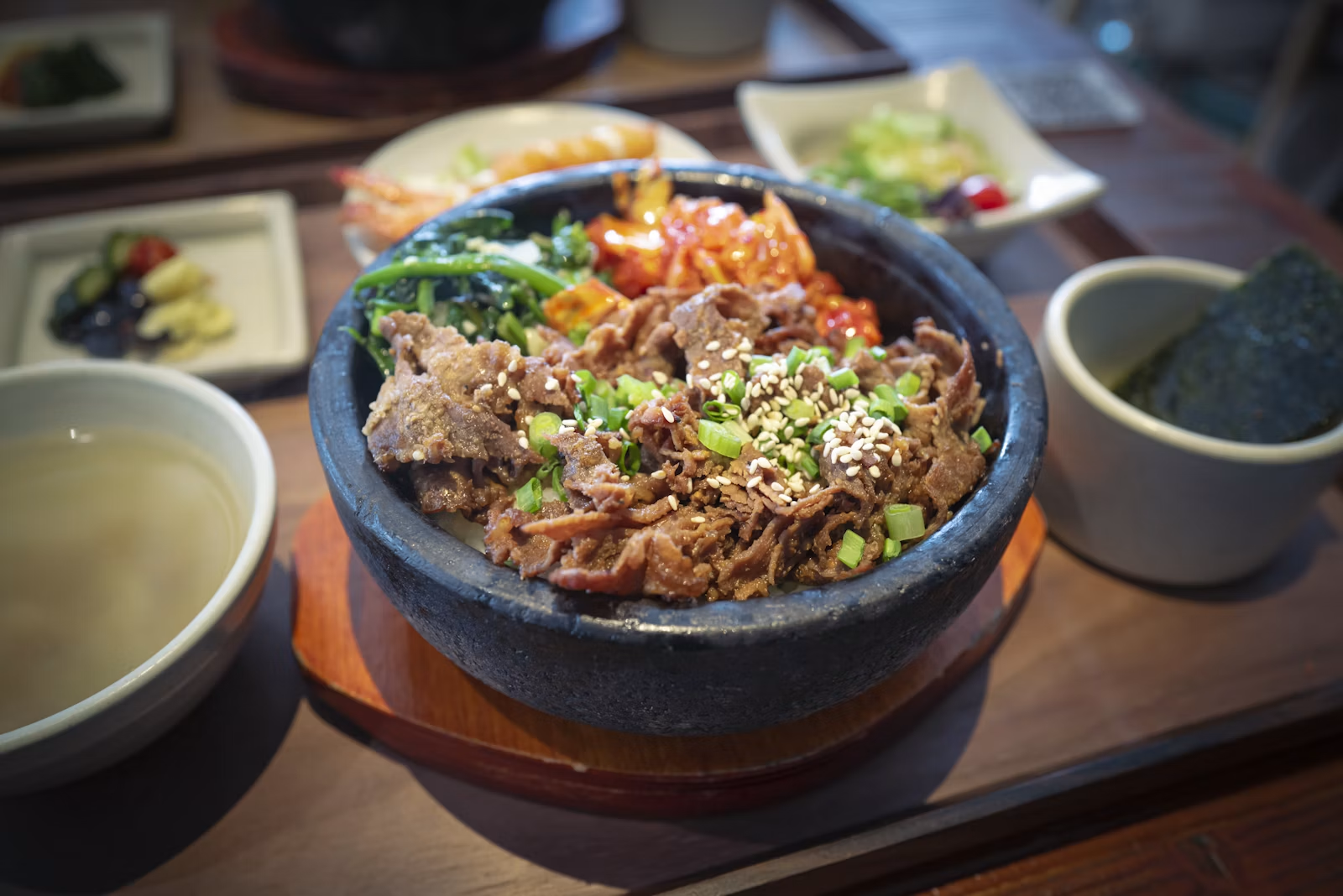
Bulgogi — Korean grilled beef marinated in a sweet, savory soy sauce blend — is one of the most recognizable dishes in Korean cuisine and one of the most accessible to make at home. This bulgogi recipe covers every step: the marinade ratio, how to slice the beef for the best texture, and what happens during the cook that gives the dish its characteristic caramelized exterior. The name means “fire meat” in Korean, but the marinade itself is anything but harsh — it is sweet, deeply garlicky, and carefully balanced.
Done right, it is a dish that earns a place in your regular weekly rotation.
What You’ll Find in This Bulgogi Recipe
- What Makes Bulgogi Stand Out
- Ingredients You’ll Need
- How to Make the Marinade
- How to Prepare the Beef
- How to Cook Bulgogi
- How to Serve
- Pan vs. Grill
- Frequently Asked Questions
What Makes Bulgogi Stand Out
A well-executed bulgogi recipe produces beef with a deeply caramelized exterior, a tender interior, and a marinade flavor that soaks into every fiber. Three things distinguish excellent results from average ones: the cut of beef (thin-sliced ribeye or sirloin), the balance of the marinade (sweet from pear or apple, savory from soy sauce, aromatic from sesame oil and garlic), and the cooking method — very high heat for a very short time.
The pear or apple in the marinade is not optional. These fruits contain natural enzymes that tenderize meat at a molecular level, giving properly marinated beef its characteristic softness even when cooked quickly over intense heat.
Ingredients You’ll Need
For the beef and marinade (2 servings):
- 300g (10.5 oz) thinly sliced ribeye or sirloin beef
- 3 tablespoons soy sauce
- 1 tablespoon sesame oil
- 1 tablespoon sugar or honey
- 2 tablespoons grated Asian pear or apple
- 1 tablespoon minced garlic
- 1 teaspoon minced fresh ginger
- 1 tablespoon mirin or rice wine
- Ground black pepper to taste
- 3 green onions, sliced
- 1 medium onion, thinly sliced
For serving:
- Cooked short-grain white rice
- Lettuce leaves for wrapping
- Toasted sesame seeds for garnish
How to Make the Marinade
Combine the soy sauce, sesame oil, sugar, grated pear, garlic, ginger, and mirin in a bowl. Stir until the sugar dissolves completely. The pear is the most important ingredient in a classic bulgogi recipe — it adds a gentle sweetness and activates enzymes that break down the beef’s protein structure, producing the texture this dish is known for.
Taste the marinade before adding the beef. It should be balanced between sweet and salty, with a forward garlic note. Add more pear or sugar if the flavor seems flat, more soy sauce if it needs depth.
How to Prepare the Beef
The thinner the beef, the better the results. Pre-sliced bulgogi beef from Korean grocery stores is ideal at around 3 to 4mm thick. If slicing a whole cut at home, freeze the beef for 30 minutes first — this firms it enough to cut thin, uniform pieces with a sharp knife.
Add the sliced beef, sliced onion, and half the green onions to the marinade. Toss to coat every surface evenly. Marinate for at least 30 minutes at room temperature or up to 4 hours refrigerated. Avoid marinating longer than 8 hours — the fruit enzymes will over-tenderize the beef and alter its texture noticeably.
How to Cook Bulgogi
Heat a heavy pan, grill pan, or cast iron skillet over high heat until very hot. Add a light film of neutral oil. Cook the marinated beef in a single layer for 1 to 2 minutes per side. The sugars in the marinade caramelize rapidly, creating the glossy glaze that defines a properly cooked bulgogi recipe.
Work in batches if needed. Crowding the pan causes the beef to steam rather than sear, and the caramelization that produces the dish’s signature flavor will not develop if there is too much moisture in the pan at once.
How to Serve
Serve the cooked beef over warm short-grain rice, garnished with the remaining green onions and a generous scatter of toasted sesame seeds. The traditional way to eat bulgogi is to place a spoonful of beef and rice into a lettuce leaf with a small amount of ssamjang (fermented soybean paste with chili), wrap it, and eat it in one bite.
Classic Korean side dishes — kimchi, pickled radish, seasoned bean sprouts — round out the full meal.
Pan vs. Grill
A cast iron pan on high heat caramelizes the marinade into a concentrated glaze and allows the juices to reduce around the beef — this is the most practical home method and produces excellent results. A charcoal or gas grill adds smokiness that more closely replicates the original outdoor cooking style and deepens the overall flavor.
Both approaches to cooking this dish are legitimate. The choice depends on your equipment. For apartment cooking, cast iron on the highest burner setting comes closest to the outdoor grill texture and char.
Frequently Asked Questions
What cut of beef works best in a bulgogi recipe? Ribeye is the standard choice because its fat content distributes flavor and keeps thin slices moist during the fast, high-heat cook. Sirloin is a leaner alternative that also performs well. Avoid tougher cuts — the thin slicing and short cooking time do not allow enough heat exposure for collagen to break down.
Can I freeze the marinated beef? Yes — portion the marinated raw beef and freeze before cooking. It keeps for up to one month. Thaw overnight in the refrigerator and cook from slightly chilled for the best sear and caramelization.
What can I substitute for Asian pear? Kiwi is the best substitute because it contains similar tenderizing enzymes and comparable sweetness. Grated apple also works, though it tenderizes less aggressively and adds a slightly different flavor profile.
Is this bulgogi recipe gluten-free? Standard soy sauce contains wheat. To make it gluten-free, substitute tamari or coconut aminos in equal measure with no adjustment to the other marinade proportions.
Final Thoughts
This bulgogi recipe is one of the most rewarding dishes to learn in Korean cooking — the marinade takes minutes to mix, the cook is fast, and the result consistently delivers. The pear, the high heat, and the sesame oil are the three elements that make the finished dish taste unmistakably Korean.
Make it once and the method becomes second nature. A well-made bulgogi recipe is equally at home as a quick weeknight meal or a centerpiece dish for guests.