SPF formulas from Korea have earned a global reputation for solving one of the most common reasons people skip daily sun protection — the greasy, white-cast, heavy feel of traditional products. Korean sunscreen is typically lightweight, fast-absorbing, and formulated to double as a skincare product with ingredients that hydrate and soothe while protecting. The SPF ratings in the Korean market are also among the highest available globally, with SPF 50+ PA++++ as a routine expectation rather than a premium feature.
Understanding the categories and key ingredients makes it easier to choose the right formula for your skin type and daily routine.
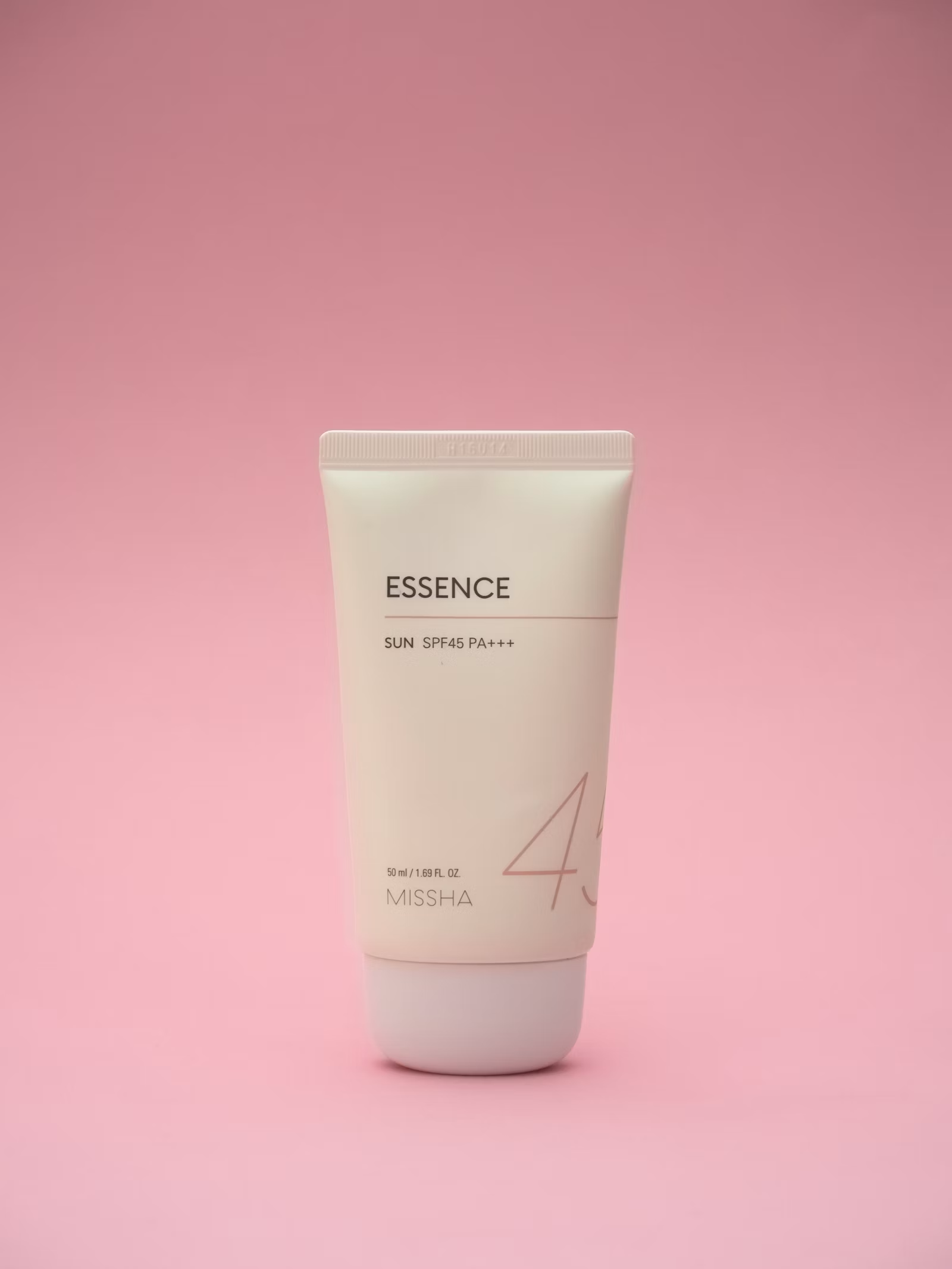
What You’ll Find in This Korean Sunscreen Guide
- Why It’s Different From Western Formulas
- Best Lightweight Fluid Formula
- Best for Oily and Acne-Prone Skin
- Best for Dry and Sensitive Skin
- Best Tinted Option
- Best Water-Resistant Formula
- Best Budget Pick
- How to Apply It Correctly
- Understanding PA Ratings
- Frequently Asked Questions
Why Korean Sunscreen Is Different
The defining difference in Korean sunscreen formulation is the texture. K-beauty brands pioneered the shift toward water-based, fluid-formula SPF products that behave more like a serum or essence than a traditional lotion. These formulas leave no white cast, absorb within 30 to 60 seconds, and sit comfortably under makeup. Most also include active skincare ingredients — niacinamide, centella asiatica, hyaluronic acid, or green tea extract — because Korean beauty philosophy treats sun protection as part of skincare rather than a separate step.
The result is a product that most users are willing to wear every single day, which is ultimately the only sunscreen that works.
1. Best Lightweight Fluid Formula
Watery fluid formulas are the category that put Korean sunscreen on the international map. These products spray or apply like water, spread with almost no resistance, and leave skin looking as though nothing has been applied. SPF 50 PA++++ is standard. They are most suitable for normal to combination skin and for anyone who has historically found SPF too heavy or occlusive to wear daily.
The best formulas in this category contain a blend of chemical UV filters optimized for stability and minimal irritation.
2. Best for Oily and Acne-Prone Skin
Formulas for oily skin use matte-finish filters, silica, and sebum-absorbing powders to control shine through the day without feeling dry. The best options in this category are specifically non-comedogenic, free from occlusive oils, and often include low-concentration salicylic acid or niacinamide to keep pores clear while protecting.
This type of Korean sunscreen is particularly effective in humid climates or for people who find that regular SPF products exacerbate shine or breakouts.
3. Best for Dry and Sensitive Skin
Formulas for dry or sensitive skin focus on barrier support alongside UV protection. Ceramide-rich, centella asiatica, and beta-glucan options in this category are fragrance-free, alcohol-free, and designed to calm rather than stress reactive skin. Many combine mineral filters (zinc oxide, titanium dioxide) with a soothing emollient base, making them suitable for post-procedure use and for people with rosacea or eczema.
This format is also the most universally recommended choice for those new to daily SPF use.
4. Best Tinted Option
Tinted Korean sunscreen covers both sun protection and skin-tone evening in a single lightweight step. These are not BB cream — the coverage is sheerer, more of a skin-perfecting filter than a concealer — but they eliminate the need for a separate base product for most people on casual days. Most are available in two or three universal shades that adapt to a range of skin tones.
For anyone building a minimal morning routine, a tinted formula that layers under or replaces separate SPF is one of the most practical products in the K-beauty lineup.
5. Best Water-Resistant Formula
Korean sunscreen for outdoor, athletic, or beach use needs to maintain SPF performance through sweat and water exposure. Water-resistant options use film-forming agents that create a more tenacious layer on the skin’s surface. These tend to have slightly more texture than the ultra-lightweight fluid formulas, but modern versions have closed the gap considerably compared to a few years ago.
Reapplication every 2 hours when outdoors is necessary regardless of the formula’s water resistance rating.
6. Best Budget Pick
Affordable Korean sunscreen options have improved dramatically in recent years, and several widely accessible brands now produce SPF 50 PA++++ formulas with clean, minimal ingredient lists at prices that make daily reapplication financially painless. Starting with a budget formula is particularly smart for first-time users, since finding the right texture for your skin often takes trying two or three options.
Many people who have tried multiple expensive Western products find that an inexpensive option works better simply because it is formulated differently.
How to Apply Korean Sunscreen Correctly
Apply as the final step of your morning skincare routine, after moisturizer and before any makeup. Use approximately a quarter teaspoon for the face and neck — more product than most people apply. Spread evenly using patting motions rather than rubbing, which can disrupt the UV filter distribution.
Reapply every 2 hours when outdoors and after swimming or heavy sweating. Most formulas are light enough to reapply over makeup without disrupting it, and several brands sell SPF cushions specifically designed for mid-day reapplication.
Understanding PA Ratings
PA measures UVA protection specifically — the type of UV radiation responsible for aging, hyperpigmentation, and deeper skin damage. The rating ranges from PA+ to PA++++, with PA++++ being the highest available and the standard for most reputable Korean sunscreen products. When choosing, look for both SPF 50+ and PA+++ or PA++++ for comprehensive protection against both UVB (burning) and UVA (aging and pigmentation damage).
Frequently Asked Questions
How is Korean sunscreen different from Japanese sunscreen? Both are known for lightweight textures. Korean formulas tend to emphasize skincare ingredients and use chemical filters for the shearest feel; Japanese formulas often lean more toward physical or hybrid filters. Both are considerably lighter than most Western products.
Does it work for darker skin tones? Yes, especially chemical-filter and tinted formulas. Chemical-filter Korean sunscreen leaves no white cast. Mineral-filter versions can leave a slight cast on deeper skin tones, so check specifically for “no white cast” when choosing one with zinc oxide.
Can I use it indoors every day? Yes — UV rays penetrate windows, and consistent daily use is the single most impactful habit for long-term skin health. A lightweight formula makes this easy to maintain year-round.
Should I apply SPF before or after moisturizer? After moisturizer, as the final skincare step before makeup. Korean sunscreen is designed to work on top of a hydrated skin surface.
Final Thoughts
The right Korean sunscreen makes daily protection easy enough that skipping it stops feeling like an option. Start with a formula matched to your skin type, use enough product, and reapply when spending time outdoors.
The best SPF is the one you actually wear every single day.