Bibimbap is one of the most satisfying Korean rice dishes — a bowl of warm short-grain rice topped with individually seasoned vegetables, a fried egg, thinly sliced beef or tofu, and a spoonful of gochujang sauce, all mixed together at the table before eating. This bibimbap recipe covers every component in detail, from the bibimbap sauce to the vegetable preparation technique that makes each topping taste distinct rather than uniform.
The result is a dish that looks like it requires significant effort but comes together efficiently once you understand the method.
What You’ll Find in This Bibimbap Recipe
- What Makes a Good Bibimbap
- Ingredients You’ll Need
- How to Make the Bibimbap Sauce
- How to Prepare the Vegetable Toppings
- How to Cook the Egg and Beef
- How to Assemble and Serve
- Stone Bowl Bibimbap (Dolsot Bibimbap)
- Frequently Asked Questions
What Makes a Good Bibimbap
A great bibimbap recipe succeeds on the strength of its individual components. Each vegetable topping should taste well-seasoned on its own, with a distinct texture — some crunchy, some soft, some chewy. The gochujang sauce should have enough heat to bring everything together without overwhelming the subtle flavors of each prepared vegetable. And the rice needs to be properly cooked short-grain rice: slightly sticky, warm, and the foundation everything else rests on.
The word bibimbap literally means “mixed rice” in Korean, and the mixing is essential — the dish is not meant to be eaten arranged; it is meant to be combined.
Ingredients You’ll Need
For the rice:
- 2 cups short-grain white rice, cooked according to package directions
For the toppings (per 2 servings):
- 1 cup spinach, blanched and squeezed dry
- 1 medium carrot, julienned
- 1 medium zucchini, julienned
- 1 cup bean sprouts, blanched
- 4 to 5 dried shiitake mushrooms, rehydrated and sliced
- 100g (3.5 oz) thinly sliced beef (or firm tofu)
- 2 eggs
- 1 tablespoon sesame oil, divided
- Salt to taste
- Toasted sesame seeds for garnish
For the bibimbap sauce:
- 2 tablespoons gochujang (Korean chili paste)
- 1 tablespoon sesame oil
- 1 tablespoon sugar
- 1 tablespoon water
- 1 teaspoon soy sauce
- 1 teaspoon minced garlic
- 1 teaspoon toasted sesame seeds
How to Make the Bibimbap Sauce
Mix all sauce ingredients together until the sugar dissolves. The bibimbap sauce should taste balanced between heat, sweetness, and sesame; add water a little at a time if it is too thick to mix smoothly into the bowl. The sauce in a well-made bibimbap recipe does not dominate — it ties the ingredients together with a shared thread of gochujang flavor.
The sauce can be made up to a week ahead and stored in the refrigerator.
How to Prepare the Vegetable Toppings
Each vegetable in a bibimbap recipe is seasoned individually, which is what gives the dish its layered complexity. Prepare each one separately before assembling.
Spinach: Blanch in boiling salted water for 30 seconds, rinse in cold water, squeeze very dry, and season with a few drops of sesame oil and a pinch of salt.
Bean sprouts: Blanch for 2 minutes until just tender, drain, and season with sesame oil and salt. A few drops of soy sauce add depth.
Carrot: Sauté over medium-high heat in a little oil for 1 to 2 minutes until tender but with a slight bite. Season with salt.
Zucchini: Sprinkle lightly with salt and let sit for 5 minutes to release moisture, squeeze dry, then sauté briefly in oil until just cooked. Season with a drop of sesame oil.
Shiitake mushrooms: Sauté rehydrated mushrooms with a touch of soy sauce, sesame oil, and a pinch of sugar for 2 to 3 minutes.
How to Cook the Egg and Beef
Beef: Marinate thinly sliced beef in a small amount of soy sauce, sesame oil, sugar, and garlic for 10 minutes, then stir-fry over high heat for 1 to 2 minutes until cooked through. For a vegetarian bibimbap recipe, sauté firm tofu cubes in the same marinade until lightly browned.
Egg: Fry the egg sunny-side up in a small non-stick pan with a drop of oil, keeping the yolk runny. The runny yolk blends into the rice when mixed and adds richness to the entire bowl.
How to Assemble and Serve
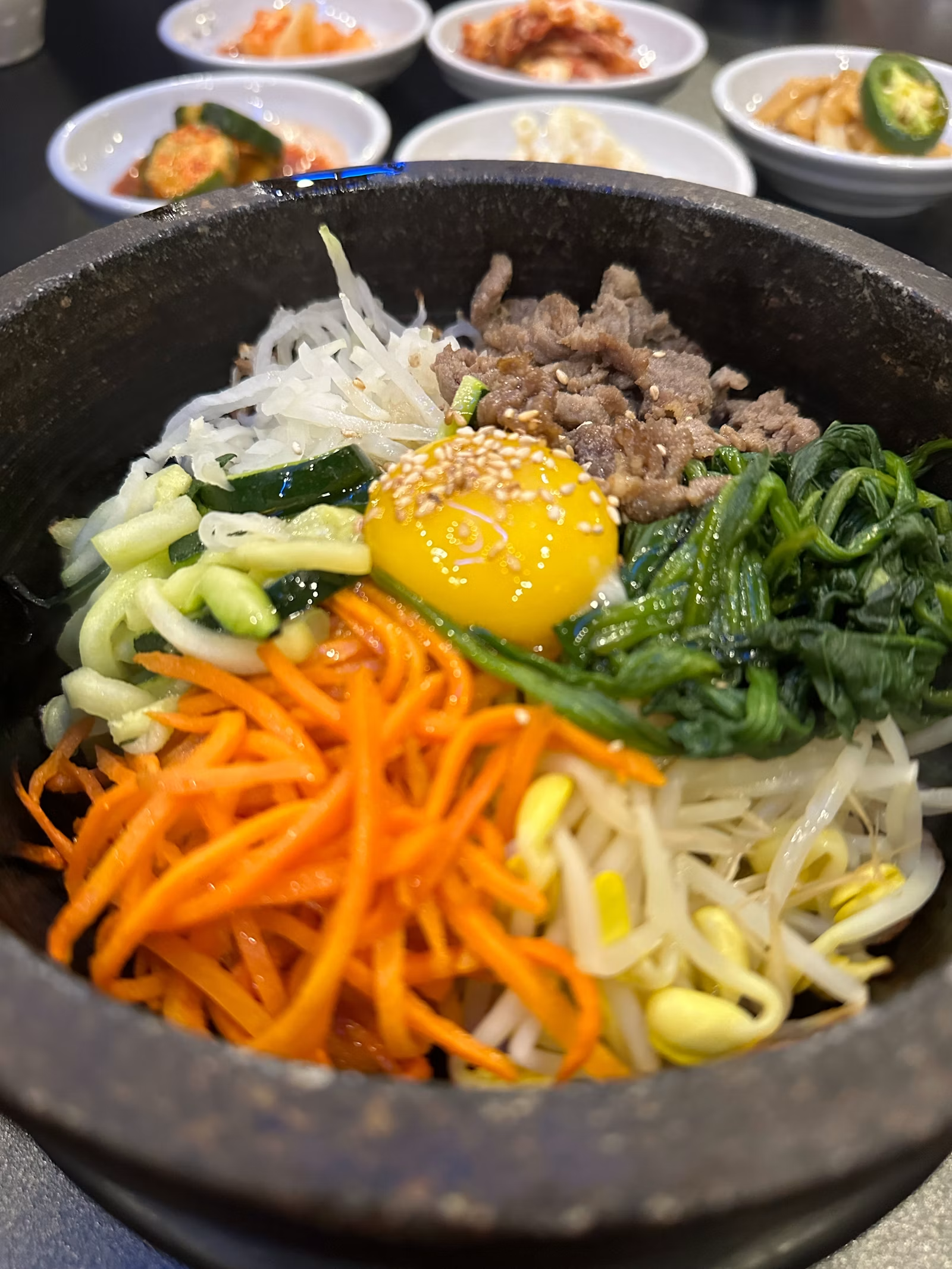
Place a generous serving of warm rice in a large bowl. Arrange the prepared toppings in separate sections around the perimeter of the rice, keeping each vegetable in its own distinct segment. Place the egg in the center and the beef alongside. Add one to two tablespoons of bibimbap sauce in the center. Drizzle a little sesame oil over everything and scatter toasted sesame seeds on top.
At the table, the person eating mixes everything together with a spoon until uniformly combined. This final mixing step is what makes a bibimbap recipe come alive — all the separately prepared components merge into one cohesive dish.
Stone Bowl Bibimbap (Dolsot Bibimbap)
The restaurant version of this bibimbap recipe is made in a stone bowl (dolsot) that is heated until extremely hot before the rice is added. The heat creates a crispy, toasted rice crust at the bottom of the bowl (nurungji) that is one of the most prized textures in Korean food. At home, you can replicate this by heating a cast iron pan or clay pot until very hot, adding a film of sesame oil, then pressing the assembled bibimbap rice firmly against the bottom and cooking over medium heat for 3 to 5 minutes until you can hear the rice crackling.
The crispy bottom is optional but makes the eating experience significantly more rewarding.
Frequently Asked Questions
Can I make bibimbap without gochujang? Yes, replace the gochujang with a small amount of soy sauce and sesame oil for a milder, non-spicy version. Some traditional regional bibimbap recipe variations do not use chili at all.
Can I prepare the toppings ahead of time? Yes, all of the vegetable toppings can be prepared up to two days in advance and stored separately in the refrigerator. Bring them to room temperature before assembling. Having pre-prepared toppings makes this bibimbap recipe a very fast weeknight meal.
What rice works best? Short-grain Korean or Japanese white rice provides the right stickiness. Long-grain rice is too dry and does not hold together when mixed.
Is bibimbap healthy? A standard bibimbap recipe bowl is nutritionally balanced — it includes rice, multiple vegetables, protein from egg and beef, and relatively modest amounts of sauce. The gochujang sauce is the highest-sodium element, and the amount used is easily adjusted.
Final Thoughts
This bibimbap recipe is as flexible as it is satisfying — the vegetable selection, protein choice, and sauce quantity can all be adjusted to suit what you have and what you prefer. The core technique of seasoning each topping individually before assembling is what elevates the dish from a simple rice bowl to something genuinely memorable.
Make it once with the full set of toppings and you will understand immediately why it is one of Korea’s most beloved dishes.