Pajeon is the Korean savory pancake made with a simple batter and a generous amount of sliced scallions, fried until the edges crisp up and the inside stays soft and chewy. This pajeon recipe comes together in under 30 minutes and requires only pantry staples. It is one of the most satisfying Korean dishes to make at home, and the crispy result pairs naturally with a sesame and soy dipping sauce.
On rainy days in Korea, pajeon is almost a national tradition — the sound of rain on the roof is said to sound like batter hitting a hot pan.
What You’ll Find in This Pajeon Recipe
- What Makes a Good Pajeon
- Ingredients You’ll Need
- How to Make the Dipping Sauce
- How to Make the Batter
- How to Cook Pajeon
- Variations to Try
- Common Mistakes to Avoid
- Frequently Asked Questions
What Makes a Good Pajeon
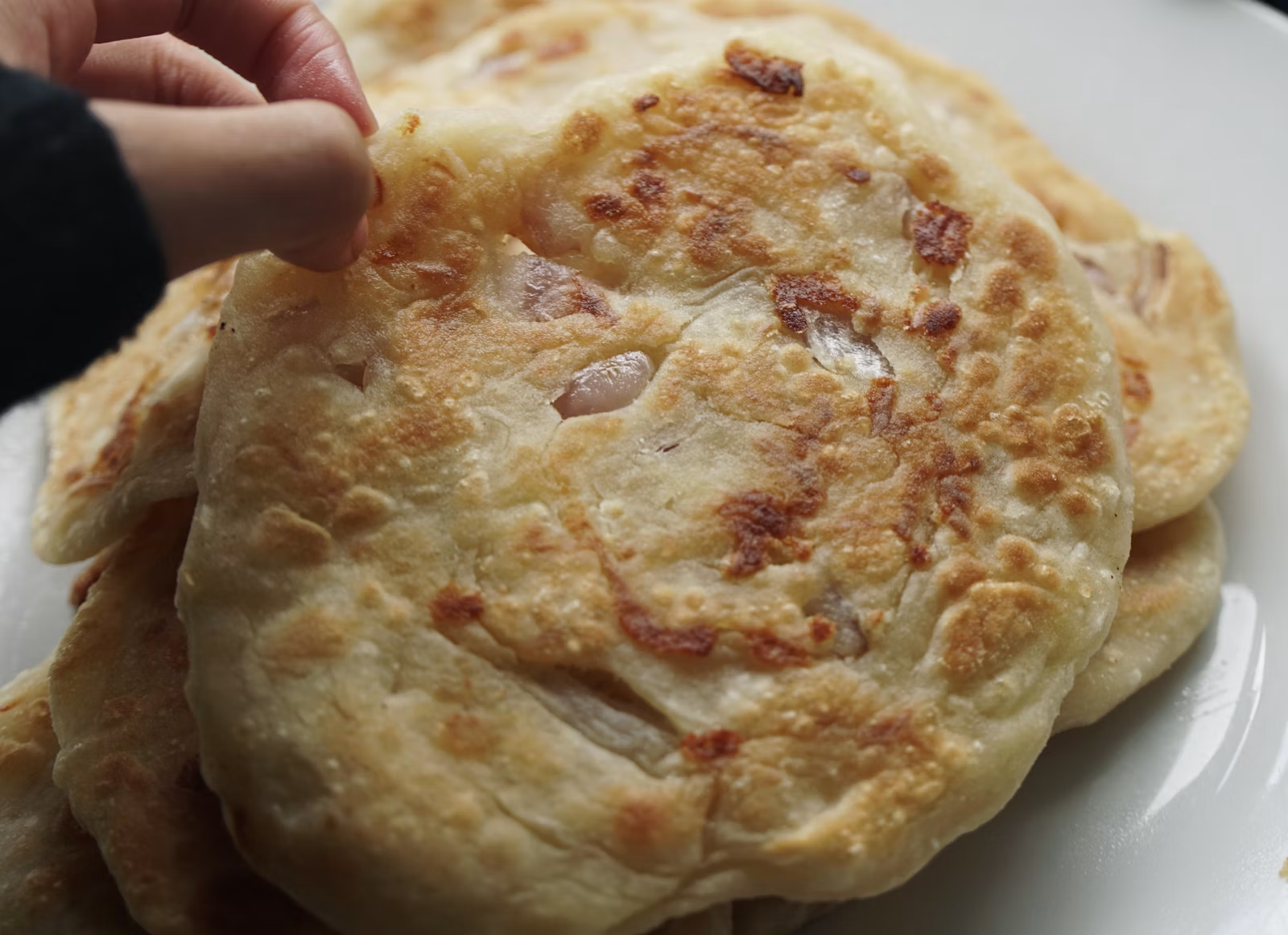
The ideal pajeon has very crispy, golden edges, a slightly chewy center, and distinct scallion flavor running through every bite. The key to crisping in this pajeon recipe is using enough oil in the pan and pressing the pancake down firmly during cooking to maximize surface contact. A pan that is too cool produces a pale, soft result; a pan that is too hot burns the exterior before the center sets.
Ingredients You’ll Need
For the pancake:
- 1 cup all-purpose flour
- ½ cup rice flour (optional but adds crispiness)
- 1 cup ice-cold water
- 1 egg
- 1 teaspoon salt
- ½ teaspoon garlic powder (optional)
- 1 bunch scallions (about 8 to 10), roots trimmed and cut into 5 to 6 cm lengths
- Neutral oil for cooking (vegetable, canola, or grapeseed)
For the dipping sauce:
- 2 tablespoons soy sauce
- 1 tablespoon rice vinegar
- 1 teaspoon sesame oil
- 1 teaspoon sugar
- ½ teaspoon gochugaru (Korean chili flakes)
- 1 teaspoon toasted sesame seeds
- 1 scallion, finely sliced
The rice flour in this pajeon recipe is optional but it makes a significant difference to the crispiness of the final result; adding it is strongly recommended if you can find it.
How to Make the Dipping Sauce
Mix all dipping sauce ingredients together and let the sauce sit for at least 5 minutes before serving. The sugar needs a moment to dissolve and the flavors sharpen as they rest. This sauce works for almost any Korean pancake and is what elevates a pajeon recipe from a simple snack to a full flavor experience.
How to Make the Batter
Whisk together the flour, rice flour, salt, and garlic powder in a bowl, then add the ice-cold water and egg. Mix until just combined — a few small lumps are fine and overmixing develops the gluten in a way that makes the pancake tough rather than light. The batter for a good pajeon recipe should be thin, roughly the consistency of a slightly thick crêpe batter.
Using ice-cold water is important; cold batter hitting a hot pan creates a crispier crust.
How to Cook Pajeon
Heat a large skillet or non-stick pan over medium-high heat until hot, then add 3 to 4 tablespoons of oil — more oil than you think you need is the key to getting good edges in any pajeon recipe. Once the oil is shimmering, lay the scallions across the pan in an even layer, pour the batter directly over them, and spread it out to a rough circle.
Cook without moving for 3 to 4 minutes until the bottom is golden and the edges look set. Flip once and press down firmly with a spatula, adding another tablespoon of oil around the edges of the pan. Cook the second side for 2 to 3 minutes until golden and crisp.
Slide onto a cutting board, cut into pieces with scissors or a knife, and serve immediately with the dipping sauce.
Variations to Try
- Haemul pajeon (seafood pajeon): Add squid rings, shrimp, oysters, or a combination to the batter for a seafood version that is considered a premium variation of this pajeon recipe.
- Kimchi pajeon: Roughly chop well-drained kimchi and add it to the batter alongside the scallions for a tangy, spicy variation.
- Buchu jeon: Replace scallions with garlic chives (buchu) for a slightly more pungent and deeply green result.
- Mini pajeon: Make the batter into smaller individual pancakes for easier flipping and a higher crispy-to-soft ratio throughout.
Common Mistakes to Avoid
- Using warm water. Cold water keeps the gluten from over-developing and creates a crispier result in this pajeon recipe. Use ice water or refrigerate the water beforehand.
- Not enough oil. Pajeon fried in too little oil becomes dry and pale rather than crisp and golden.
- Moving the pancake before it’s ready. Wait until the edges are clearly set and the bottom is golden before attempting the flip.
- Overmixing the batter. Combine just until there are no large dry pockets; lumps are fine and even desirable.
- Letting it sit before eating. This pajeon recipe produces its best texture right out of the pan; the crispy exterior softens quickly as it cools.
Frequently Asked Questions
Can I make pajeon ahead of time? Pajeon is best eaten immediately after cooking. You can prepare the batter and scallions ahead of time and refrigerate separately, then cook fresh when ready to serve.
What is the difference between pajeon and haemul pajeon? Haemul pajeon is the seafood version of this pajeon recipe, made with scallions plus squid, shrimp, and sometimes oysters. It is slightly thicker and considered a more indulgent variation.
Do I need rice flour? All-purpose flour alone works, but the pancake will be softer and less crispy. Rice flour is the ingredient that gives Korean pancakes their distinctive crunchy texture.
Can I freeze leftovers? Cooled pancakes can be frozen in a single layer and reheated in a dry hot pan or oven. The texture softens somewhat but the flavor holds well.
Final Thoughts
This pajeon recipe is one of the easiest Korean dishes to master, and the result rewards the small amount of technique involved. Cold batter, hot oil, enough patience to wait for the golden crust, and the simple dipping sauce are all the elements you need.
Make it once and it will become a regular weeknight option.