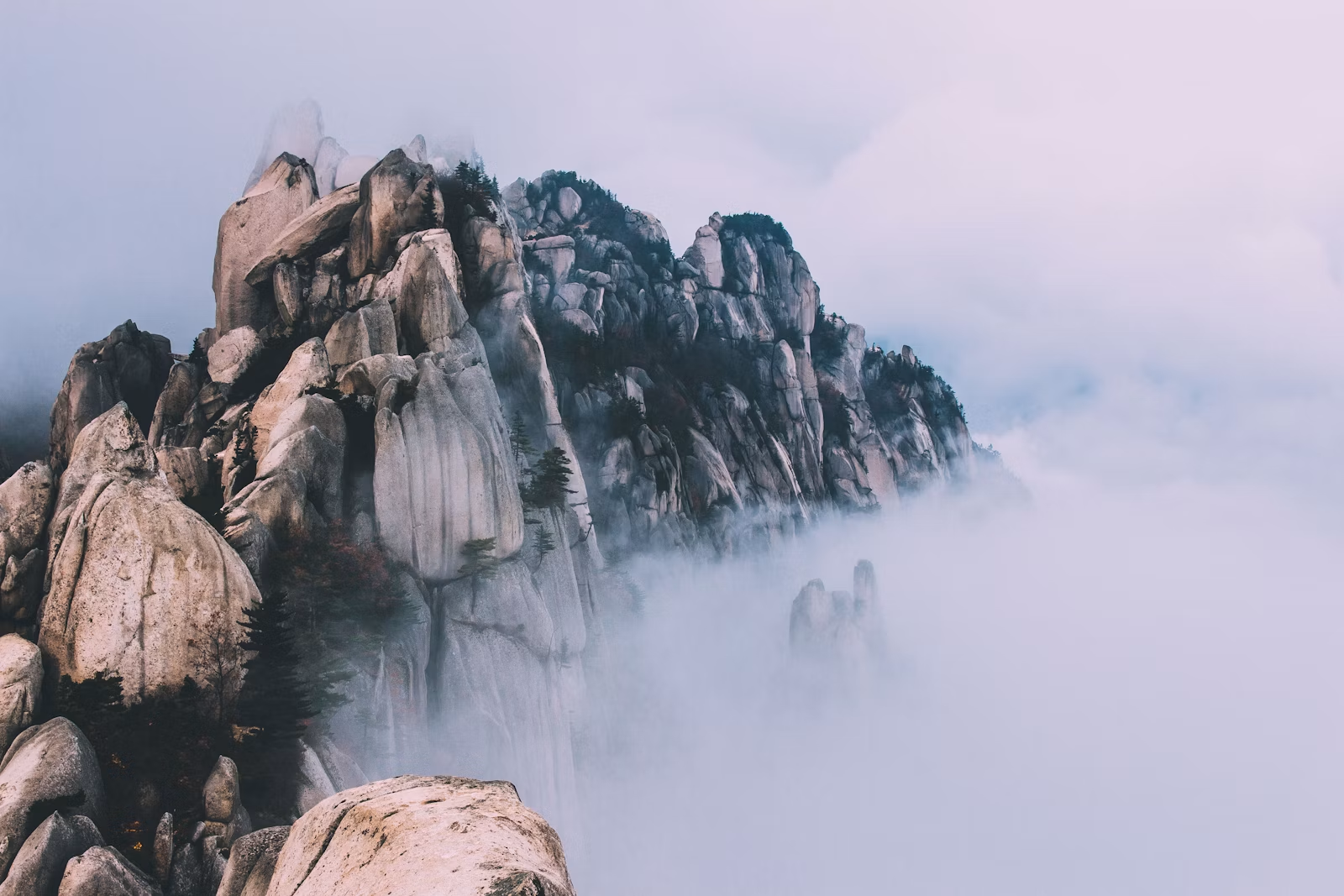
Seoraksan National Park sits in Gangwon Province on the northeastern edge of South Korea, and its dramatic granite peaks, dense forests, and seasonal color displays make it one of the country’s most visited natural destinations. This Seoraksan travel guide covers the 6 things worth knowing before you arrive, from how to get there to which trails suit different fitness levels.
Whether you’re visiting for autumn foliage or a summer hike, a little planning goes a long way.
What You’ll Find in This Seoraksan Travel Guide
- How to Get to Seoraksan
- Outer Seorak vs. Inner Seorak
- Top Trails for Every Level
- Best Time to Visit
- Fees and Reservations
- Where to Stay
- What to Eat Nearby
- Frequently Asked Questions
1. How to Get to Seoraksan
The closest major access point is Sokcho City, roughly a 3-hour bus ride from Seoul’s East Seoul Terminal or Express Bus Terminal. From Sokcho, local buses run directly to the Seoraksan National Park entrance.
Most travelers coming from Seoul without a car find the express bus to Sokcho the simplest option, and it’s generally faster than the train connection currently available for this Seoraksan travel guide route.
2. Outer Seorak vs. Inner Seorak
The park is divided into two main areas. Outer Seorak (Oeseorak) includes the most popular trails and attractions near the main Sogongwon entrance, including the Sinheungsa Temple and the Ulsanbawi Rock formation. Inner Seorak (Naeseorak) is more remote and less visited, accessed from the Baekdam area, and better suited to multi-day hikers.
Most first-time visitors to this Seoraksan travel guide destination spend their time in Outer Seorak, where the main cable car and popular day hikes are concentrated.
3. Top Trails for Every Level
Easy: The walk from the main gate to Sinheungsa Temple takes about 30 minutes each way and requires minimal elevation gain, making it accessible for all ages. The route passes through a forested valley alongside a clear stream.
Moderate: The Ulsanbawi Rock trail climbs about 900 steps to a cluster of six massive granite rocks with panoramic views over the surrounding peaks. Plan 3 to 4 hours round trip.
Challenging: Daecheongbong, the park’s highest peak at 1,708 meters, requires an early start and 6 to 8 hours round trip. Advance reservation is required for this summit route.
The cable car from the main entrance provides an easy way to gain elevation quickly and is worth including in any Seoraksan travel guide itinerary, with views extending to the East Sea on clear days.
4. Best Time to Visit
Autumn (late September through late October) is the peak season, when the maple and oak forests turn red and orange across the hillsides in a display that draws visitors from across the country. Spring brings quieter trails and blossoming trees, while summer offers lush greenery and is the best time for waterfall hikes. Winter access is limited to lower trails due to snow and ice.
5. Fees and Reservations
A national park entrance fee applies at the main gate. The Daecheongbong summit trail requires advance online reservation through the Korea National Park Service website, especially during peak autumn weeks when daily visitor limits fill up quickly.
The cable car has a separate ticket fee and often has long queues on weekends, buying tickets early in the morning or on weekdays noticeably reduces wait times.
6. Where to Stay
Sokcho City offers the widest range of accommodation, from budget guesthouses to mid-range hotels, and is the most practical base for a multi-day visit to this Seoraksan travel guide region. A handful of guesthouses operate closer to the park entrance in the Seorakdong neighborhood for travelers who prefer a shorter morning walk to the gate.
Mountain shelters inside the park are available for multi-day hikers tackling the inner trails, but these also require advance reservation.
What to Eat Nearby
Sokcho is known for its fresh seafood, particularly ganjang gejang (soy sauce marinated crab) and sundae (blood sausage), as well as the local specialty of Sokcho squid. The market area near the Abai Village neighborhood has an especially good concentration of seafood restaurants and snack stalls.
Frequently Asked Questions
Do I need hiking boots for Seoraksan? For the easy valley trails, comfortable walking shoes are fine, but proper hiking boots are strongly recommended for the Ulsanbawi and Daecheongbong routes, where the terrain becomes rocky and steep.
How many days do I need for Seoraksan? One full day covers the main Outer Seorak attractions comfortably, while two days lets you add a second major trail or explore the Inner Seorak area.
Can I visit Seoraksan without a car? Yes, express buses to Sokcho and local buses to the park entrance make this Seoraksan travel guide destination fully accessible without a car.
Is Seoraksan crowded? The main Outer Seorak area can be very busy on autumn weekends, arriving before 8am or visiting on a weekday significantly reduces congestion at the most popular spots.
Final Thoughts
This Seoraksan travel guide covers the essentials for a well-planned visit, but the park genuinely rewards those who take more time with it. The views from the upper trails, the forest sounds lower down, and the scale of the granite formations are difficult to fully appreciate in a rushed half-day.
Give yourself at least one full day, and time it with autumn foliage if you can.